







What's Happening?
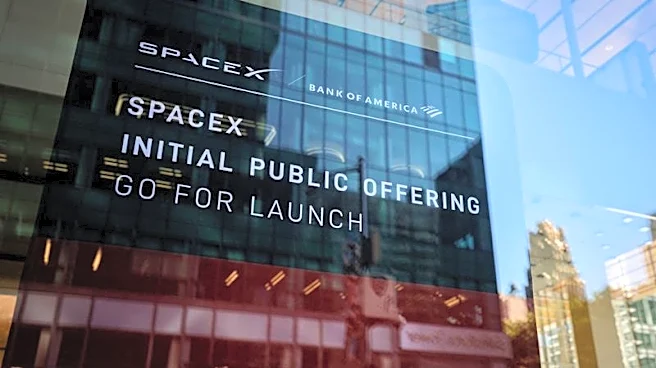
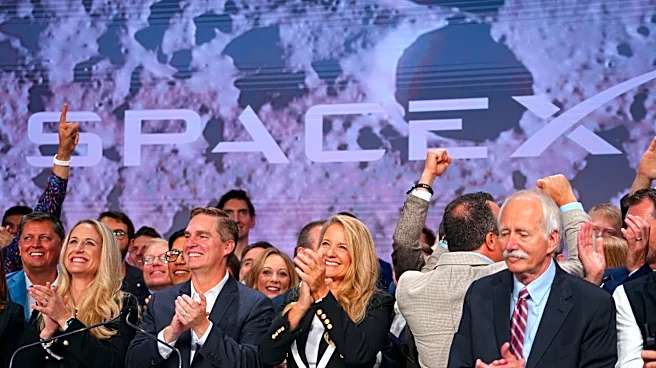
SpaceX, the aerospace and satellite company founded by Elon Musk, has made its public debut with a historic initial public offering (IPO). The shares were priced at $135 each, marking the largest IPO in history. On its first day of trading, the stock
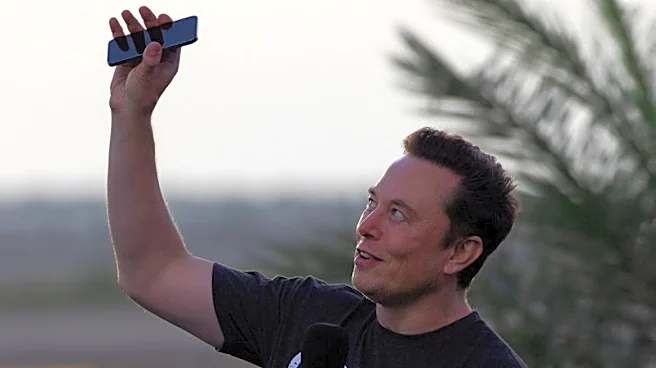
experienced a significant price increase, contributing to Musk's status as the world's first trillionaire. The IPO raised $75 billion, with SpaceX entering the market at a valuation of $1.77 trillion. The company allocated 30% of its shares to retail investors, a larger portion than typically seen in IPOs. This move has sparked discussions about the fairness of the company's valuation and the potential risks and rewards for investors.
Why It's Important?
The public offering of SpaceX is a significant event in the financial markets, as it represents the largest IPO ever, surpassing previous records set by companies like Saudi Aramco. The successful debut highlights the strong demand for shares in innovative companies, particularly those associated with Elon Musk. The allocation of a substantial portion of shares to retail investors reflects a shift towards democratizing access to high-profile IPOs. This development could influence future IPO strategies and investor behavior. Additionally, the IPO's success may impact the valuation and market performance of other companies in the aerospace and AI sectors.
What's Next?
Following the IPO, SpaceX's stock performance will be closely monitored by investors and analysts. The company's future growth prospects, particularly in the areas of satellite deployment and AI, will be key factors influencing its market valuation. The involvement of retail investors may lead to increased volatility in the stock's price. Additionally, the IPO's impact on other companies associated with Elon Musk, such as Tesla, will be observed. The potential for mergers or acquisitions involving SpaceX and its partner companies could also shape the company's strategic direction.
Beyond the Headlines
The IPO raises questions about the sustainability of high valuations for companies that are not yet profitable. It also highlights the influence of Elon Musk as a key figure in the tech and aerospace industries. The allocation of shares to retail investors may set a precedent for future IPOs, potentially altering the dynamics between institutional and retail investors. The success of SpaceX's IPO could encourage other tech and AI companies to pursue public offerings, reshaping the landscape of the stock market.