





What's Happening?
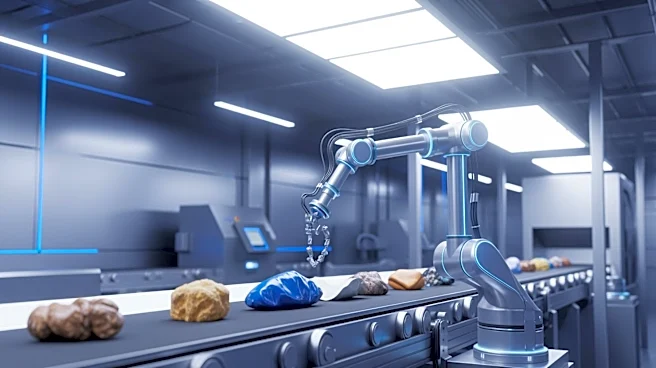
Waste management firms are increasingly turning to robotic solutions to address labor shortages and improve efficiency. Companies like AMP and Glacier are deploying AI-driven robots to sort waste more efficiently than human workers. These robots, equipped
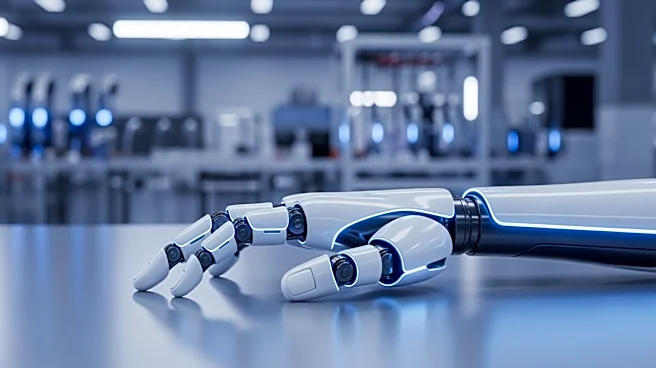
with advanced AI and air jets, can process materials at a much faster pace, significantly increasing the capacity and accuracy of waste sorting. The use of humanoid robots, such as Alpha, is being explored to fit seamlessly into existing facilities without major redesigns. This shift towards automation is driven by high staff turnover rates and the hazardous nature of waste sorting jobs, which have a higher incidence of work-related injuries compared to other industries.
Why It's Important?
The integration of AI and robotics in waste management addresses critical challenges such as labor shortages and workplace safety. By automating the sorting process, companies can reduce reliance on human labor, which is often difficult to retain due to the demanding and hazardous nature of the work. This technological advancement not only enhances operational efficiency but also improves worker safety by minimizing exposure to dangerous conditions. As the industry moves towards automation, there is potential for significant cost savings and increased competitiveness in the recycling sector.
What's Next?
As AI and robotic technologies continue to evolve, waste management companies are likely to expand their use of these systems to further optimize operations. The focus will be on training and upskilling existing workers to manage and maintain these technologies, ensuring a smooth transition to automated processes. The industry may also see increased collaboration between technology providers and waste management firms to develop more sophisticated and adaptable solutions.