



What's Happening?
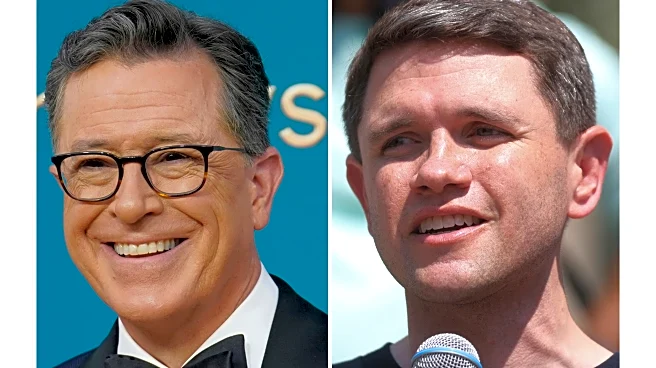
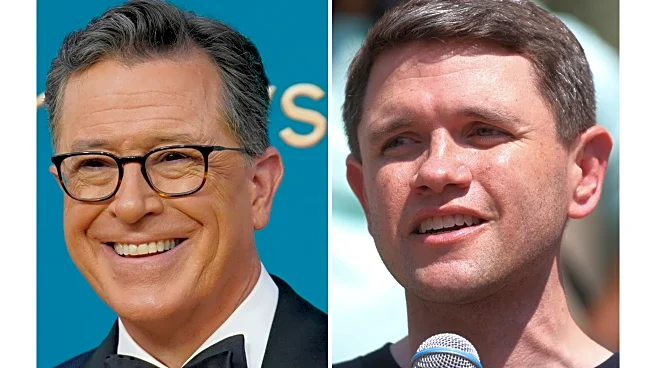
FCC Commissioner Anna Gomez has criticized CBS for allegedly censoring Stephen Colbert's interview with Democratic Senate candidate James Talarico. The controversy stems from the FCC's enforcement of the equal-time rule, which requires broadcasters to provide equal airtime to political candidates. Gomez described CBS's decision as a 'corporate capitulation' to the Trump administration's pressure. The FCC's actions have sparked a debate about the role of regulatory bodies in media content and the potential impact on free speech. Colbert's interview was eventually made available on YouTube, bypassing the broadcast restrictions.
Why It's Important?
This situation underscores the ongoing debate over media freedom and regulatory oversight in the U.S. The FCC's actions
could set a precedent for how political content is managed on broadcast television, potentially affecting the editorial independence of media outlets. The incident also highlights the challenges media companies face in balancing regulatory compliance with their commitment to free speech. The broader implications for the media industry include potential changes in how political content is disseminated and the role of digital platforms in providing alternative avenues for political discourse.
What's Next?
The FCC's actions may lead to further legal challenges and public debates about the balance between regulatory oversight and free speech. Media companies might seek legal recourse or adjust their programming strategies to comply with or challenge the FCC's guidance. Additionally, political candidates and advocacy groups may increase their reliance on digital platforms to circumvent broadcast restrictions, potentially reshaping the media landscape and campaign strategies.