


What's Happening?
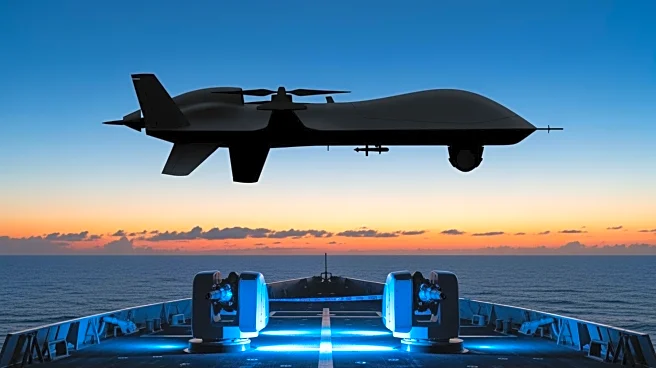
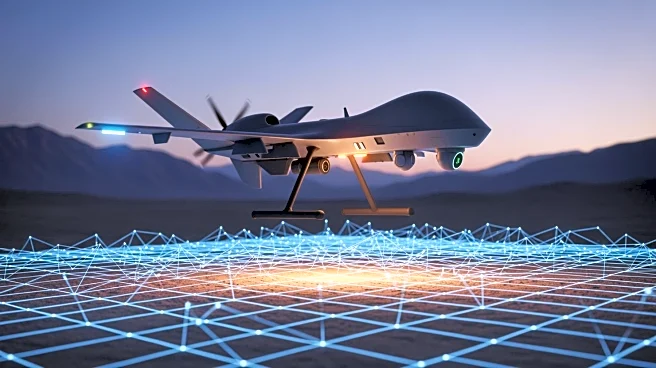
General Atomics Aeronautical Systems, Inc. (GA-ASI) is advancing the capabilities of its MQ-9B SkyGuardian and SeaGuardian Unmanned Aircraft Systems (UAS) by integrating long-range standoff weapons. This development aims to meet the increasing demand
from naval and air warfighters for platforms capable of engaging targets from extended distances, particularly in the vast regions of the Western Pacific. The MQ-9B's payload, stability, and range are being adapted to accommodate these new precision weapons, including the Lockheed Martin Joint Air-to-Surface Standoff Missile and Long-Range Anti-Ship Missile, as well as the Kongsberg/Raytheon Joint Strike Missile. GA-ASI plans to test these capabilities by 2026, enhancing the MQ-9B's role in various military exercises and operations.
Why It's Important?
The integration of long-range weapons into the MQ-9B drones represents a significant advancement in military technology, providing the U.S. and its allies with enhanced strategic capabilities. This development allows for greater operational flexibility and the ability to engage adversaries from safer distances, reducing the risk to personnel and equipment. The expanded capabilities of the MQ-9B could shift the balance in military engagements, particularly in contested regions like the Western Pacific, where maintaining a technological edge is crucial. The move also underscores the growing importance of unmanned systems in modern warfare, as they offer persistent surveillance and strike capabilities without the need for direct human involvement.
What's Next?
GA-ASI is expected to continue refining the technical aspects of the MQ-9B's integration with long-range weapons, with plans to conduct test flights by 2026. The successful deployment of these capabilities could lead to broader adoption by U.S. and allied forces, potentially influencing military strategies and procurement decisions. As the MQ-9B becomes more versatile, it may participate in a wider range of military exercises and operations, further solidifying its role in future combat scenarios. Stakeholders, including military leaders and defense contractors, will likely monitor these developments closely to assess their impact on defense strategies and budgets.