






What's Happening?
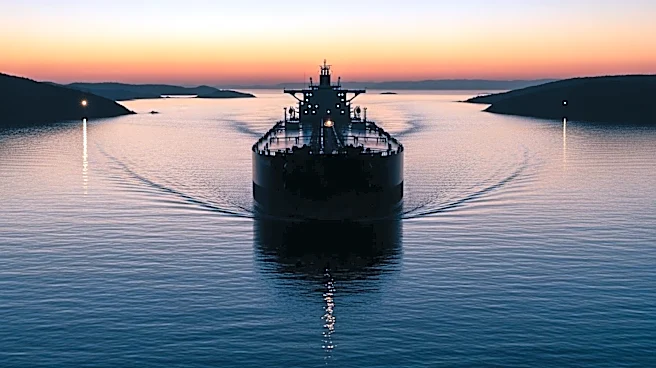
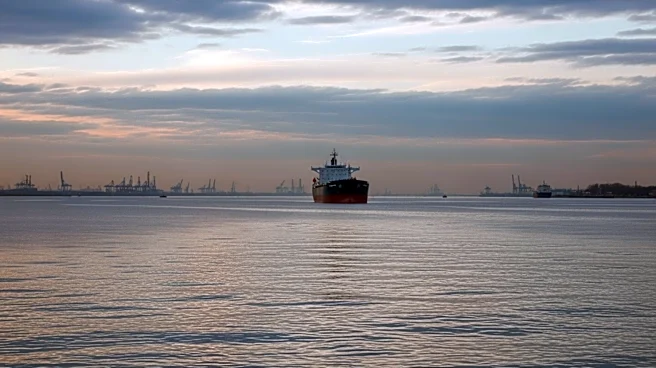
Swedish mining company LKAB is experiencing delivery disruptions following the closure of the Strait of Hormuz due to unrest in Iran. The company, which transports iron ore from Northern Sweden to Narvik, Norway, for global shipping, is working to relocate
nearly a million tonnes of iron ore products. The closure has affected LKAB's exports to North Africa and the Middle East, impacting approximately 10% of its production. LKAB's press officer, Mikko Viitala, stated that the company is closely monitoring developments and maintaining dialogue with customers to manage the situation. The estimated value of cancelled deliveries in March was SEK 700 million, with further impacts expected in the second quarter.
Why It's Important?
The closure of the Strait of Hormuz highlights the geopolitical risks faced by global supply chains, particularly in the mining sector. LKAB's challenges underscore the vulnerability of companies reliant on specific trade routes for their exports. The situation may prompt LKAB and similar companies to explore alternative routes or strategies to mitigate such risks in the future. Additionally, the disruptions have led to a decline in LKAB's sales and earnings, reflecting the broader economic impact of geopolitical tensions on international trade and industry revenues.
What's Next?
LKAB is actively working to relocate affected iron ore shipments and continues to assess the situation. The company is revising its estimates for suspended deliveries in the second quarter, aiming to minimize the impact on its operations. As geopolitical tensions persist, LKAB may need to consider long-term strategies to diversify its export routes and reduce dependency on the Strait of Hormuz. The company's ongoing dialogue with customers will be crucial in managing expectations and maintaining business relationships during this period of uncertainty.