


What's Happening?
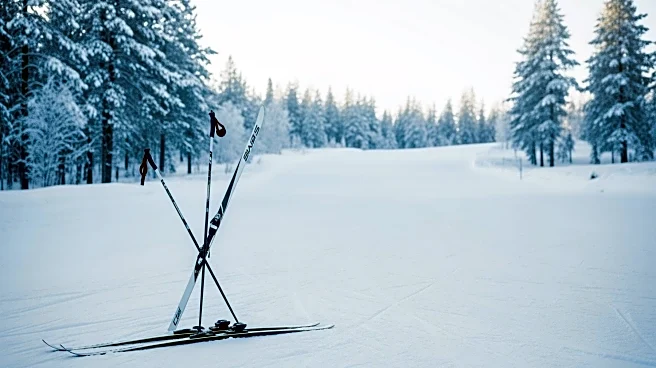
The 2026 Winter Olympics in Milan Cortina will not include women in the Nordic combined event, continuing a long-standing exclusion. Despite proposals for inclusion in both the 2022 and 2026 Games, the International Olympic Committee (IOC) has denied these requests. Nordic combined, which combines ski jumping and cross-country skiing, has been part of the Winter Olympics since 1924, but only men have been allowed to compete. The decision has been met with disappointment from female athletes who have trained extensively for the opportunity to compete at the Olympic level. The exclusion highlights ongoing gender disparities in sports, where women often receive less funding, media coverage, and opportunities compared to their male counterparts.
Why It's Important?
The exclusion of women from the Nordic combined event at the Olympics underscores broader issues of gender inequality in sports. This decision affects female athletes who have dedicated years to training and competing, only to find their opportunities limited by institutional decisions. The lack of inclusion not only impacts the athletes' careers but also perpetuates a cycle of reduced visibility and support for women in sports. This decision could influence public perception and policy discussions around gender equality in athletics, potentially prompting calls for reform and greater inclusivity in future sporting events.
What's Next?
As the 2026 Winter Olympics proceed without women in the Nordic combined event, advocacy for gender equality in sports is likely to intensify. Female athletes and supporters may continue to push for inclusion in future Olympic Games, potentially influencing the IOC's decisions for the 2030 Winter Olympics. Additionally, this situation may lead to increased scrutiny of other sports and events where gender disparities exist, prompting broader discussions and potential policy changes to ensure equal opportunities for all athletes.