


What's Happening?
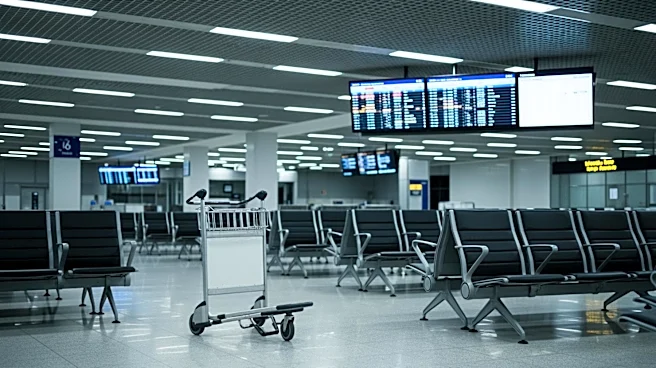
Spirit Airlines has unexpectedly ceased operations, leaving thousands of travelers stranded. The abrupt closure has caused significant disruption, with passengers unable to reach their destinations and facing challenges in securing alternative travel arrangements.
The reasons behind the sudden shutdown have not been fully disclosed, but it has sparked widespread concern and frustration among affected travelers. The airline's closure is part of a broader context of challenges facing the aviation industry, including rising fuel costs and operational difficulties.
Why It's Important?
The sudden closure of Spirit Airlines highlights the vulnerabilities within the airline industry, particularly for low-cost carriers that may operate with tighter financial margins. This event could have significant economic implications, affecting not only the airline's employees but also the broader travel and tourism sectors. It raises questions about consumer protection and the need for regulatory oversight to ensure that airlines can meet their obligations to passengers. The incident may also influence future travel behavior, with passengers potentially seeking more reliable alternatives.
What's Next?
Affected passengers are likely to seek compensation and assistance in rebooking their travel plans, which could lead to legal actions against the airline. Regulatory bodies may investigate the circumstances surrounding the closure to determine if any violations occurred. The airline industry may face increased pressure to improve transparency and financial stability to prevent similar incidents in the future. Stakeholders, including government agencies, consumer advocacy groups, and other airlines, will be involved in addressing the fallout from this closure.