






What's Happening?
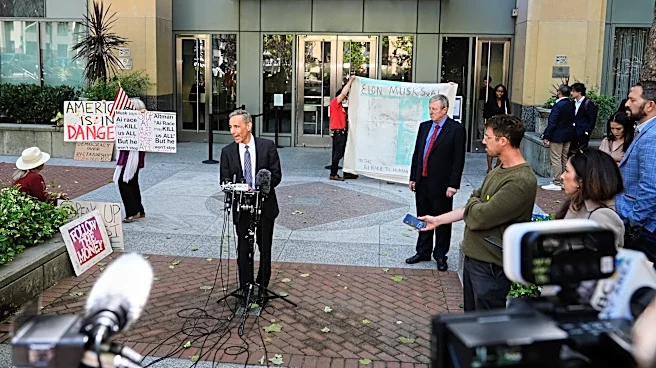
A high-profile legal battle is unfolding in Oakland, California, where Elon Musk is suing OpenAI's Sam Altman and Greg Brockman. Musk accuses them of deceiving him by converting OpenAI from a non-profit to a for-profit entity after receiving his investment.
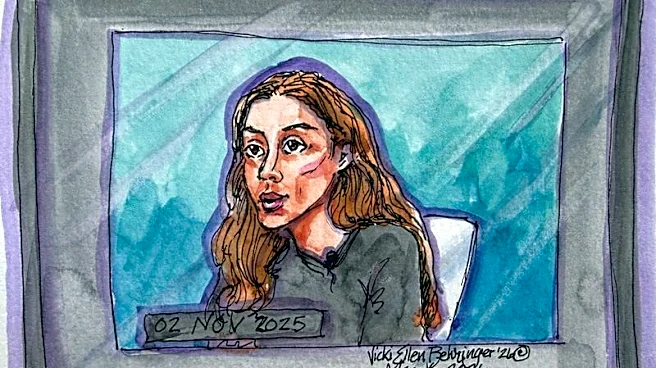
The trial, presided over by Judge Yvonne Gonzalez Rogers, has drawn significant attention due to the involvement of prominent Silicon Valley figures and the implications for the future of artificial intelligence. The courtroom proceedings have been marked by dramatic exchanges, with Musk alleging that Altman and Brockman unjustly enriched themselves. The trial has also highlighted the personalities and tensions among some of the tech industry's most influential players.
Why It's Important?
This trial is significant as it underscores the tensions within the tech industry regarding the governance and ethical considerations of artificial intelligence development. The outcome could influence how tech companies structure their business models and handle investor relations, particularly in the AI sector. The case also reflects broader concerns about the control and direction of AI technologies, which have far-reaching implications for society and the economy. The trial's focus on corporate governance and ethical practices in AI development could set precedents for future legal and regulatory frameworks in the tech industry.
What's Next?
The trial is expected to conclude soon, with testimonies from key figures like Microsoft CEO Satya Nadella and former OpenAI employee Ilya Sutskever. The verdict could impact the reputations and business strategies of the involved parties. Depending on the outcome, there may be increased scrutiny on how tech companies transition from non-profit to for-profit models, especially in sectors as influential as AI. The case may also prompt discussions among policymakers and industry leaders about the need for clearer regulations governing AI development and corporate transparency.