


What's Happening?
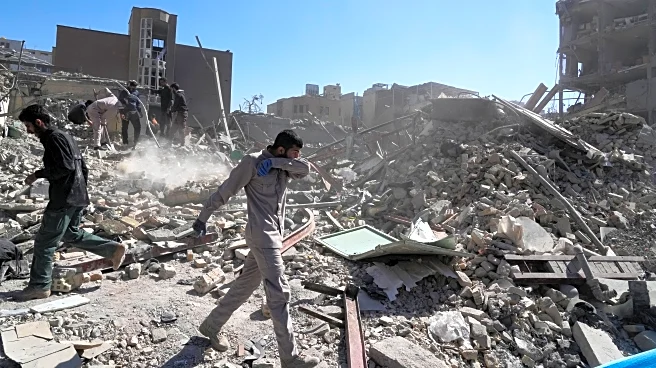
The recent outbreak of war in the Middle East has led to a significant increase in gas prices in California. The conflict has virtually closed a key Persian Gulf shipping lane, causing the price of Brent crude oil to spike by as much as $10 per barrel.
This increase is expected to translate to higher costs at the pump for California drivers, who already pay more for gas than the national average. The situation is compounded by the state's reliance on international oil imports and the transition to summer-blend gasoline, which typically raises prices further.
Why It's Important?
The rise in gas prices due to the Middle East conflict has significant implications for California's economy and its residents. Higher fuel costs can lead to increased expenses for consumers and businesses, potentially slowing economic growth. The situation also highlights the vulnerability of California's energy supply chain to international disruptions. As the state moves towards carbon neutrality, the reliance on imported oil remains a critical issue. The conflict underscores the need for diversified energy sources and strategies to mitigate the impact of global events on local economies.
What's Next?
In the coming weeks, California drivers are likely to see further increases in gas prices as the effects of the Middle East conflict continue to unfold. Policymakers and industry leaders may need to explore measures to stabilize the energy market and protect consumers from price volatility. This could involve accelerating the transition to renewable energy sources or implementing policies to enhance energy security. The situation may also prompt discussions on the state's energy policies and their alignment with environmental goals.