


What's Happening?
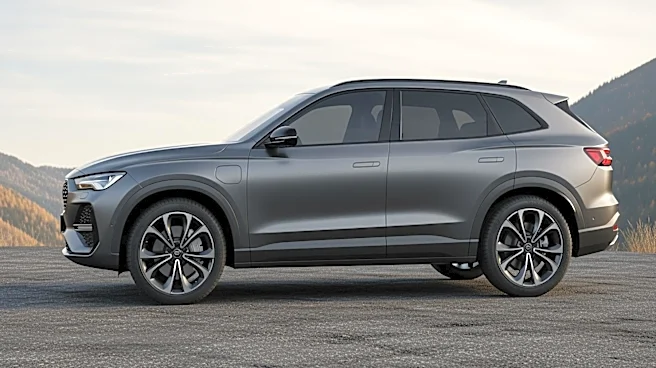
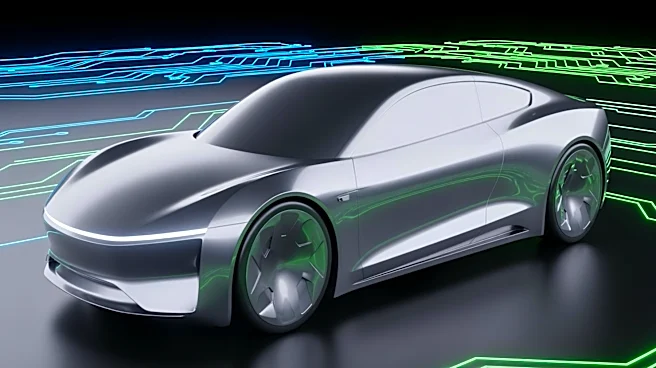
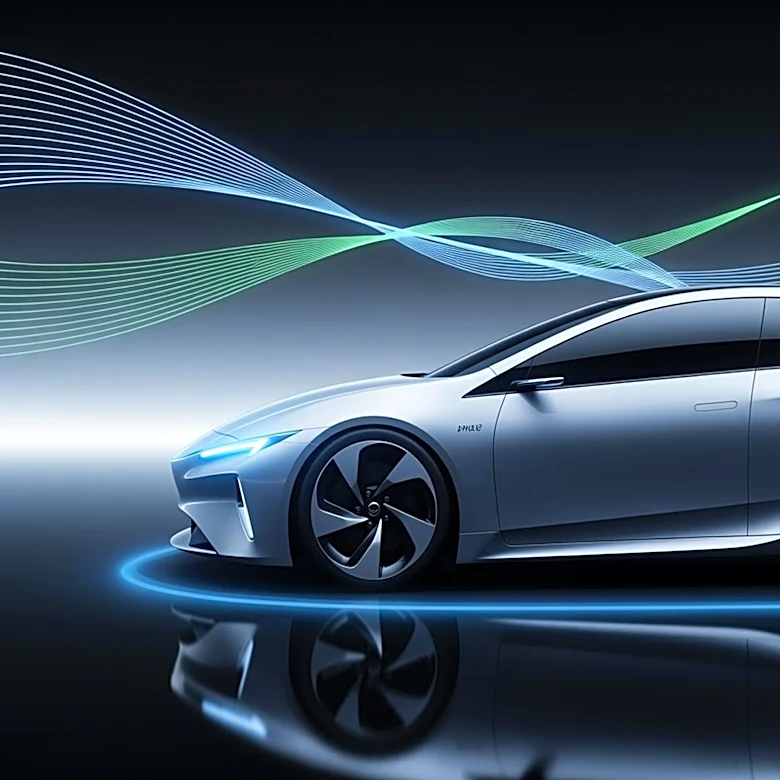
Hyundai Motor America is focusing on expanding its electric vehicle lineup, including the development of the hydrogen-powered 2026 Nexo. The Nexo, which offers a range of up to 450 miles and a refueling time of just five minutes, is not being introduced
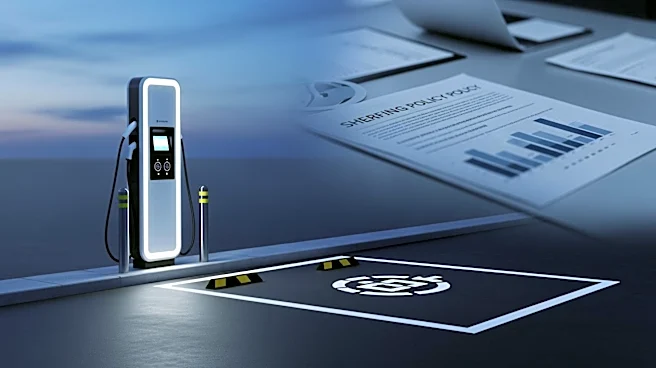
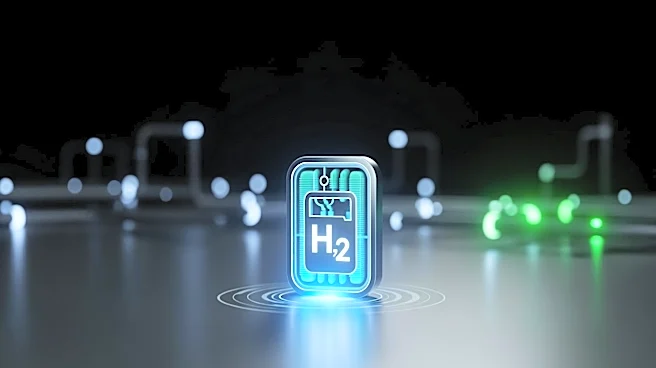
to the U.S. market due to the current lack of hydrogen refueling infrastructure. Despite its potential, hydrogen consumer vehicles have struggled in the U.S. market, primarily due to the sparse and uneven refueling network, high system costs, and efficiency questions. Hyundai continues to grow its production capabilities and adapt its strategies to meet market demands and technological advancements.
Why It's Important?
The decision not to introduce the Nexo to the U.S. highlights the challenges hydrogen vehicles face in the American market. The lack of infrastructure and high costs make it difficult for hydrogen vehicles to compete with battery electric vehicles, which have rapidly matured and become more mainstream. This situation underscores the importance of infrastructure development in the adoption of new technologies. The U.S. market's focus on battery electric vehicles may limit the diversity of clean energy solutions available to consumers, potentially slowing the transition to a more sustainable transportation system.
What's Next?
Hyundai's focus will likely remain on markets where hydrogen infrastructure is more developed, such as South Korea. The company may continue to advocate for hydrogen technology as part of a diversified energy mix, emphasizing its potential in heavy transport and industrial applications. In the U.S., the future of hydrogen vehicles will depend on policy support and infrastructure development. Stakeholders in the energy and automotive sectors may need to collaborate to address these challenges and explore the potential of hydrogen as a viable clean energy solution.