







What's Happening?
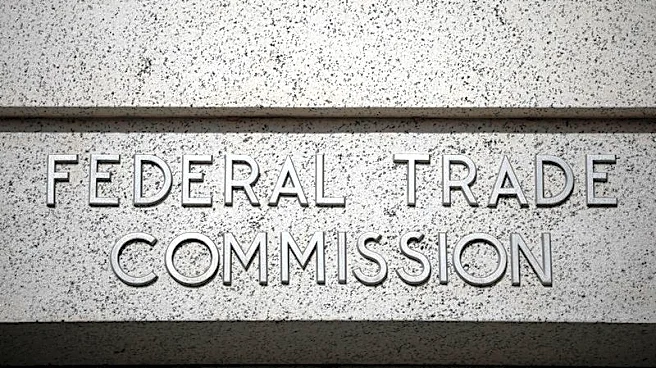
The Federal Trade Commission (FTC) has finalized a significant consent order against General Motors (GM) and its subsidiary OnStar. The order addresses allegations that the companies collected and sold precise geolocation and driving-behavior data without
obtaining informed consent from consumers. This enforcement action has garnered widespread attention due to reports that GM vehicles' driving data was shared with third-party data brokers and used by insurers to set premiums. The FTC's case did not rely on new privacy rulemaking but rather on its established authority under Section 5 of the FTC Act, which prohibits unfair or deceptive acts or practices. The agency's focus was on the gap between consumer expectations and the actual data practices of GM, particularly how driving data was monetized and shared with third parties without clear consumer consent.
Why It's Important?
This case underscores the growing scrutiny on how companies handle consumer data, particularly in the context of connected devices. The FTC's action against GM highlights the importance of transparency and informed consent in data collection and sharing practices. Companies across various industries, not just automotive, should take note of this enforcement as it illustrates the FTC's approach to evaluating consent and disclosure in complex consumer products. The case serves as a cautionary tale for businesses that rely on broad consent language in privacy policies, emphasizing the need for clear communication with consumers about how their data will be used. The outcome of this case could influence future regulatory actions and shape industry standards for data privacy and consumer protection.
What's Next?
The implications of the FTC's order may extend beyond GM, as other companies that collect and share consumer data could face similar scrutiny. Businesses may need to reassess their consent mechanisms and data-sharing practices to ensure compliance with regulatory expectations. The ongoing consumer litigation related to this case also highlights the potential for legal challenges based on data privacy concerns. Companies should be prepared for increased regulatory and legal attention to their data practices, particularly regarding how consent is obtained and operationalized. This case may prompt a reevaluation of privacy policies and consent frameworks across industries.