




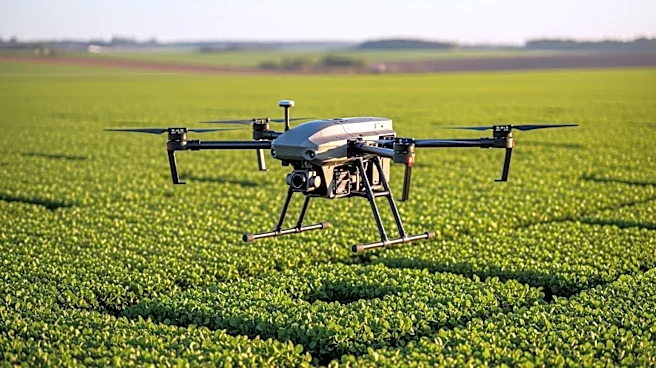
What's Happening?
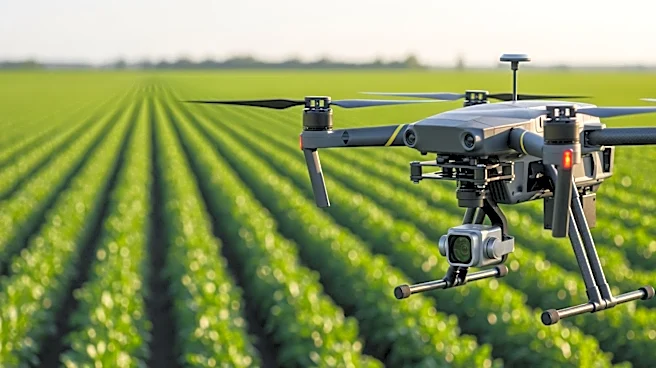
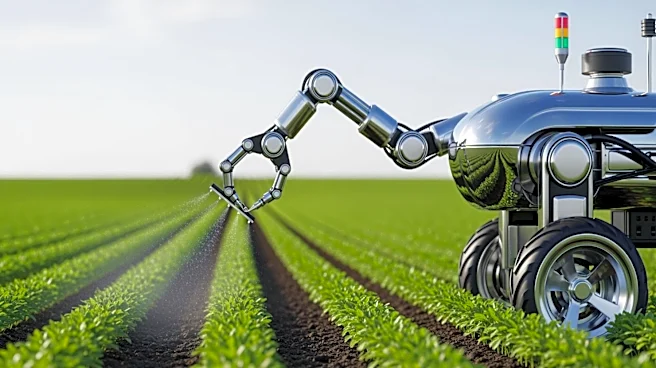
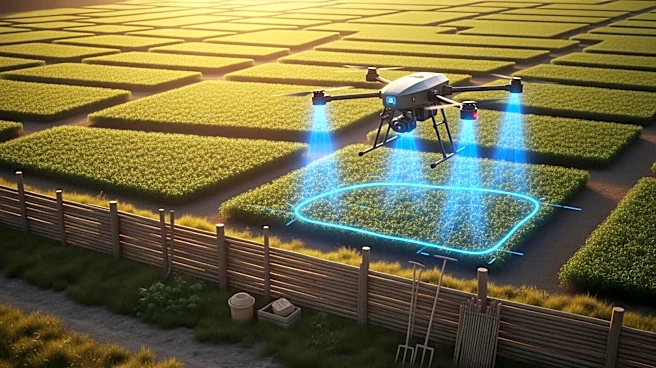
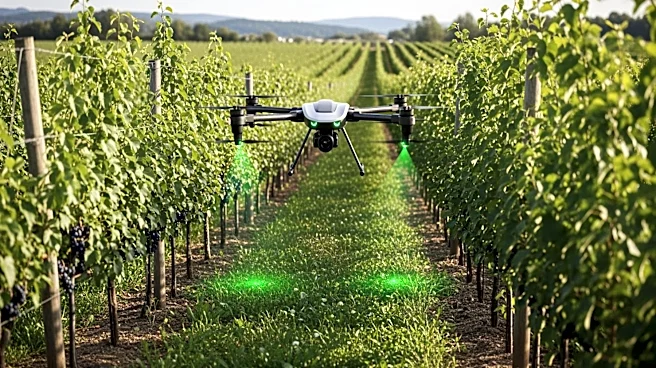
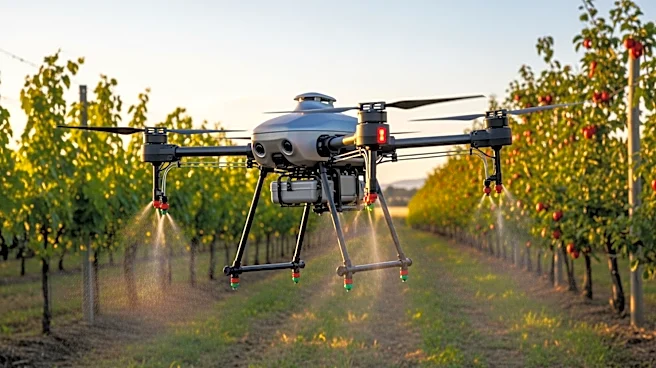
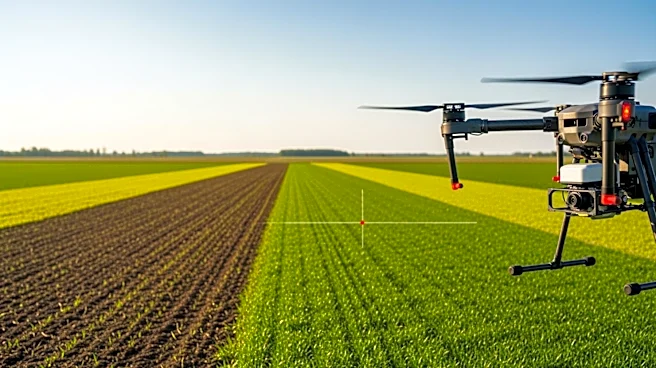
Variable Rate Technology (VRT) is transforming agriculture by enabling precise application of inputs like fertilizers and water, tailored to specific field conditions. This technology uses data from sensors and GPS to optimize resource use, enhancing
crop yields and reducing waste. The VRT market, valued at nearly USD 7 billion in 2023, is expected to grow significantly, driven by major agricultural companies. VRT's adoption is part of a broader move towards precision agriculture, which aims to improve efficiency and sustainability in farming practices.
Why It's Important?
VRT's impact on agriculture is profound, offering economic benefits through cost savings and increased productivity. By applying inputs only where needed, farmers can reduce expenses and environmental impact, aligning with sustainable farming goals. This technology supports better crop management and quality, contributing to food security and environmental stewardship. As the global demand for food rises, VRT provides a viable solution to enhance agricultural output while minimizing ecological footprints.
What's Next?
The future of VRT in agriculture looks promising, with continued advancements in sensor technology and data analytics expected to drive further adoption. As farmers increasingly recognize the benefits of precision agriculture, the market for VRT is likely to expand, potentially reaching USD 25.43 billion by 2033. This growth will be supported by ongoing innovations and investments from leading agricultural technology companies. The focus will likely remain on improving the accuracy and efficiency of VRT systems to maximize their impact on farming practices.