







What's Happening?
New York City Mayor Zohran Mamdani has successfully negotiated with FIFA to secure 1,000 World Cup tickets for local residents at a significantly reduced price of $50 each. This initiative marks the only affordable ticket program negotiated by a host
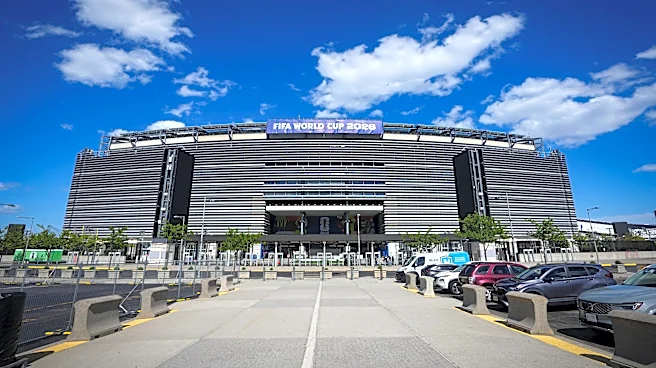
region's government for the 2026 tournament. The tickets, which are part of the host committee's allocation, required FIFA's approval. New York City residents will be randomly selected to receive up to two upper-bowl seats for one of seven matches, along with complimentary bus transportation to and from the stadium. The program does not require income verification or proof of soccer fandom, only residency in New York City. This effort comes amid widespread criticism of FIFA's high ticket prices, which have been a point of contention since sales began.
Why It's Important?
This initiative is significant as it addresses the accessibility of major sporting events to local communities, particularly in a high-cost environment like New York City. By securing affordable tickets, Mayor Mamdani is ensuring that more residents can participate in the World Cup experience, which is often financially out of reach for many. This move could set a precedent for future negotiations between local governments and international sporting bodies, potentially leading to more inclusive pricing strategies. The decision also highlights the ongoing debate over FIFA's ticket pricing policies, which have been criticized for being prohibitively expensive, thus limiting access to a global event that should be inclusive.
What's Next?
The announcement of this ticket program is expected to be made by Mayor Mamdani in New York City's Little Senegal neighborhood. As the World Cup approaches, further discussions may arise regarding ticket pricing and accessibility, potentially influencing FIFA's future pricing strategies. Additionally, the success of this program could encourage other host cities to negotiate similar deals, promoting greater inclusivity in international sporting events. Stakeholders, including local governments and FIFA, may need to consider the broader implications of ticket pricing on community engagement and event participation.