








What's Happening?
The use of AI-enabled tools in the preparation of Research and Development (R&D) tax credits is becoming increasingly common among Certified Public Accountants (CPAs) and tax professionals. These tools are designed to reduce labor costs and streamline
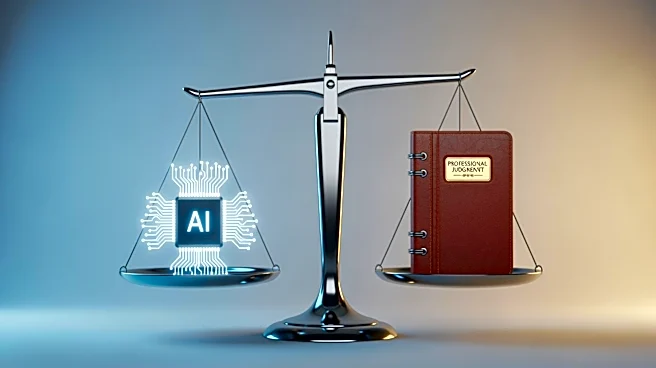
the tax compliance process. However, there is a growing concern about the delegation of professional responsibilities. While AI can assist in structuring data and automating certain tasks, the ultimate responsibility for ensuring the accuracy and compliance of tax filings remains with the human professionals. The Internal Revenue Code Section 41 mandates that R&D activities must occur within the U.S., but there is no requirement for the development of R&D tax studies to be performed domestically. This has led to a shift from offshoring these tasks to using AI systems. Despite the technological advancements, CPAs are reminded that they cannot outsource their critical thinking and must apply professional judgment in all tax-related matters.
Why It's Important?
The integration of AI in tax preparation presents both opportunities and challenges for the accounting industry. On one hand, AI tools can enhance efficiency and reduce costs, making tax services more accessible. On the other hand, the reliance on technology raises questions about the accountability and ethical responsibilities of tax professionals. The potential for increased audit risks and the need for due diligence in verifying AI-generated data underscore the importance of maintaining human oversight. This development could impact the future of the accounting profession, influencing how new accountants are trained and how firms structure their services. The balance between leveraging technology and upholding professional standards is crucial to maintaining the credibility and reliability of tax services.
What's Next?
As AI continues to evolve, accounting firms may need to establish clear guidelines and policies regarding the use of technology in tax preparation. This includes defining the roles and responsibilities of AI tools versus human professionals. Firms might also invest in training programs to ensure that their staff can effectively integrate AI into their workflows while maintaining compliance with regulatory standards. The IRS and other regulatory bodies may also update their guidelines to address the use of AI in tax filings, potentially introducing new compliance requirements. The ongoing dialogue between technology developers, accounting professionals, and regulators will shape the future landscape of tax compliance.