
What's Happening?
Despite the ongoing conflict in Iran, oil prices have not surged to the levels some experts predicted. Crude futures remain above prewar levels but are well below the anticipated spikes. Factors contributing
to this resilience include a lower risk premium, destocking, and moderated spot buying. The temporary U.S.-Iran ceasefire announced by President Trump on April 7 has also played a role in stabilizing prices. Investors and market analysts expect a resolution to the conflict soon, which has kept physical oil prices higher than futures prices. Additionally, prewar oil supplies and a less oil-dependent global economy have cushioned the market against severe disruptions.
Why It's Important?
The stability in oil prices amid the Iran conflict is significant for the global economy, particularly for countries heavily reliant on oil imports. It suggests that the market has adapted to geopolitical tensions, reducing the immediate risk of economic shocks. For the U.S., stable oil prices help mitigate inflationary pressures and support consumer confidence. However, the situation remains fluid, and any escalation in the conflict could still lead to price volatility. The current dynamics highlight the importance of strategic reserves and diversified energy sources in maintaining economic stability.
What's Next?
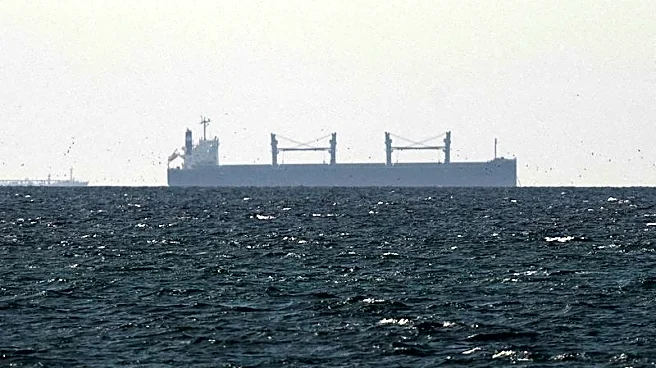
Market participants will continue to monitor developments in the U.S.-Iran conflict, with a focus on potential resolutions and their impact on oil flows through the Strait of Hormuz. Any changes in geopolitical tensions could influence future oil prices and market strategies. Additionally, the upcoming midterm elections in the U.S. may pressure political leaders to address energy prices and supply concerns. Companies in the energy sector may adjust their production and investment plans based on evolving market conditions and geopolitical risks.