



What's Happening?
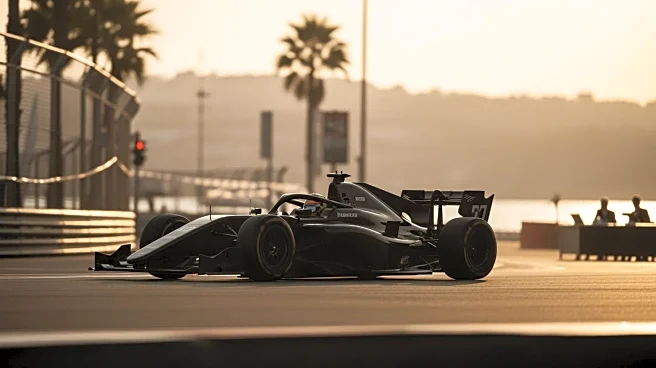
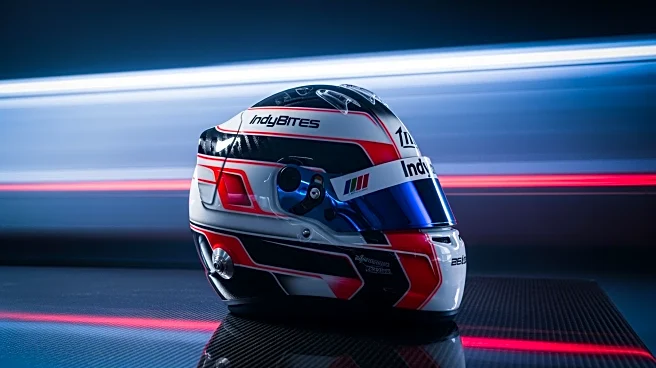
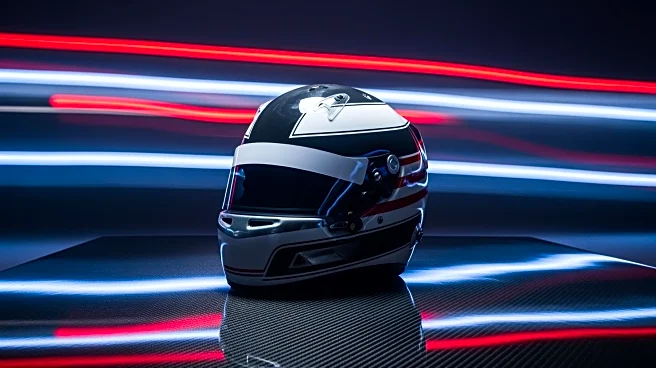
Mick Schumacher, son of legendary Formula 1 driver Michael Schumacher, has made his debut in the IndyCar Series, marking a significant shift in his racing career. After years of involvement in Formula 1 and European racing circuits, Schumacher has transitioned
to the American racing scene, starting with the opening round of the NTT INDYCAR Series in St. Petersburg, Florida. Schumacher, who previously served as a reserve driver for the Mercedes F1 team and competed in the FIA World Endurance Championship, chose IndyCar for its unique environment and the opportunity to race on his own terms. He expressed a desire to race for himself and to be part of a championship that values passion and involvement at all levels, from mechanics to management. Schumacher's move to IndyCar is not just about competition but also about embracing a new racing culture that he finds appealing.
Why It's Important?
Schumacher's entry into IndyCar is significant for several reasons. It highlights the growing appeal of the IndyCar Series to international drivers, particularly those with a background in Formula 1. His presence in the series could attract more global attention and fans to IndyCar, potentially increasing its popularity and viewership. For Schumacher, this move represents a personal and professional evolution, allowing him to define his career on his own terms, away from the shadow of his father's legacy. It also underscores the competitive nature of IndyCar, which offers a different set of challenges compared to European racing circuits, including the unique demands of oval tracks. Schumacher's decision to join IndyCar could inspire other drivers to consider similar transitions, thereby enhancing the diversity and competitiveness of the series.
What's Next?
As Schumacher settles into the IndyCar Series, he will face the challenge of adapting to new racing formats and environments, particularly the oval tracks that are a staple of American racing. His performance in the upcoming races will be closely watched by fans and analysts alike, as they assess his ability to compete at a high level in this new setting. Schumacher's integration into the IndyCar community will also be a point of interest, as he navigates the cultural and technical differences between European and American racing. The success of his transition could influence the decisions of other drivers considering a move to IndyCar, potentially reshaping the landscape of the series in the coming years.
Beyond the Headlines
Schumacher's move to IndyCar also raises questions about the broader dynamics of international motorsport. It highlights the fluidity of racing careers and the increasing interconnectedness of different racing series around the world. This trend could lead to more cross-pollination of talent and ideas between series, enriching the sport as a whole. Additionally, Schumacher's decision to prioritize personal fulfillment and passion over traditional career paths may resonate with younger drivers and fans, encouraging a more holistic approach to career development in motorsport. His journey could serve as a case study in balancing professional ambition with personal values, offering insights into the evolving nature of sports careers in the 21st century.