






What's Happening?
Solaris Resources, a company listed on the TSX and NYSE, has received technical approval for the environmental-impact assessment (EIA) of its Warintza copper project in Ecuador. This approval allows Solaris to access the second $50-million tranche of funding
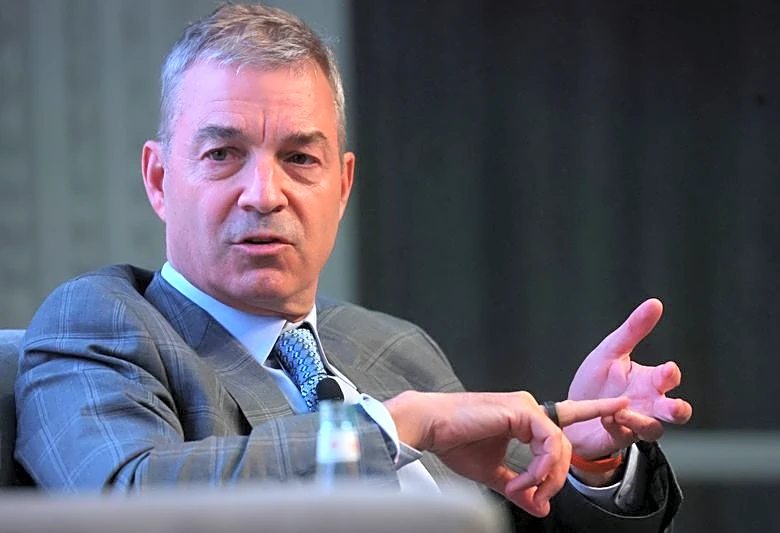
from a $200-million agreement with Royal Gold. The EIA approval marks a significant milestone, reflecting a comprehensive evaluation of the project's environmental, engineering, and social management plans. The approval process involved a detailed review by the Ecuadorian Ministry of Environment and Energy, covering aspects such as water management, biodiversity protection, and community engagement. Solaris President and CEO Matthew Rowlinson emphasized the importance of this milestone in derisking the project and strengthening the company's balance sheet.
Why It's Important?
The approval of the EIA is crucial for Solaris Resources as it enables the company to advance its Warintza project, which has substantial mineral reserves and a high net present value. The project is expected to produce an average of 300,000 tonnes of copper-equivalent annually over the first five years. This development is significant for the mining industry, as it highlights the importance of environmental stewardship and responsible development in securing project approvals. The funding from Royal Gold further strengthens Solaris's financial position, allowing it to continue infrastructure development and exploration activities. The successful approval process also sets a precedent for other mining projects in Ecuador, emphasizing the need for comprehensive environmental and social management plans.
What's Next?
With the EIA approval, Solaris Resources can proceed with key workstreams related to permitting, infrastructure development, and exploration at the Warintza project. The company will focus on advancing these activities to ensure the project's successful implementation. Additionally, Solaris will continue to engage with local communities and stakeholders to maintain support for the project. The company may also explore further financing opportunities to support its long-term growth and development plans. As the project progresses, Solaris will likely face ongoing regulatory and environmental challenges, requiring continued collaboration with government agencies and adherence to best practices in environmental management.