





What's Happening?
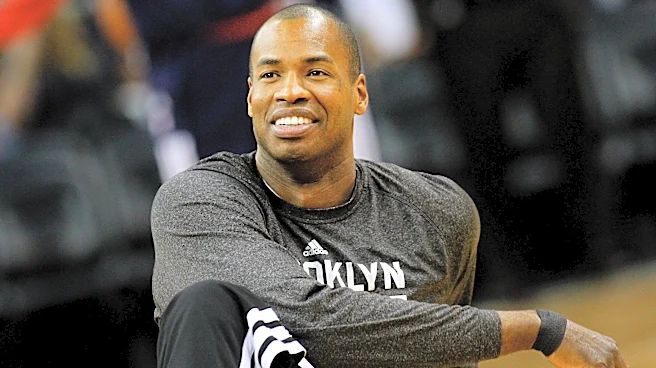
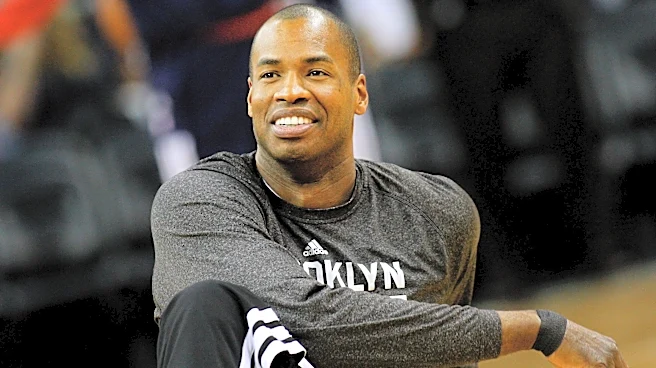
The NBA has announced the passing of former player Jason Collins at the age of 47. Collins, who made history as the first active and openly gay player in the league, died after battling glioblastoma, a type of brain cancer. His family expressed their
heartbreak and gratitude for the support received during his illness. NBA Commissioner Adam Silver praised Collins for his leadership and influence, which extended beyond basketball, making the sports community more inclusive. Collins was known for his 13-year career in the NBA, playing for teams such as the New Jersey/Brooklyn Nets and the Atlanta Hawks. He was also an NBA Cares Ambassador, remembered for his kindness and humanity.
Why It's Important?
Jason Collins' legacy is significant not only for his contributions on the court but also for his role in advancing inclusivity in sports. By coming out as gay while actively playing in the NBA, Collins broke barriers and started important conversations about diversity and acceptance in major American team sports. His courage paved the way for future athletes to be open about their identities without fear of discrimination. Collins' impact is felt across the sports community, influencing policies and attitudes towards LGBTQ+ athletes. His passing is a reminder of the ongoing need for inclusivity and support for diverse identities in sports and beyond.
What's Next?
The NBA and the broader sports community are likely to continue honoring Jason Collins' legacy by promoting inclusivity and diversity. Tributes and memorials may be organized to celebrate his life and contributions. The league may also reinforce its commitment to supporting LGBTQ+ athletes and fostering an environment where all players feel welcome and accepted. Collins' story may inspire further initiatives aimed at breaking down barriers and encouraging open dialogue about identity and acceptance in sports.
Beyond the Headlines
Jason Collins' story highlights the intersection of sports, identity, and societal change. His decision to come out publicly challenged stereotypes and opened doors for discussions about representation and equality in sports. Collins' journey underscores the importance of visibility and the impact it can have on cultural perceptions and policies. His life and career serve as a testament to the power of authenticity and the positive change it can inspire within and beyond the sports world.