
What's Happening?
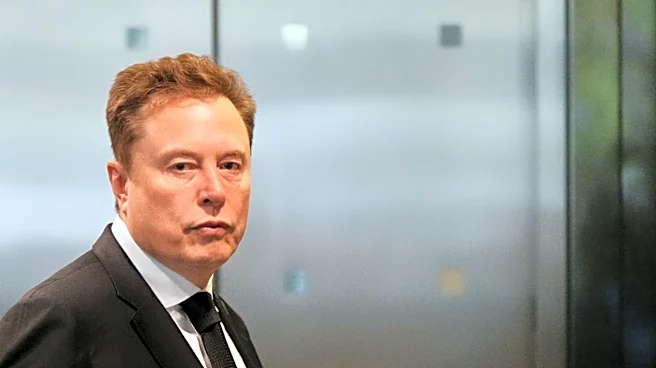
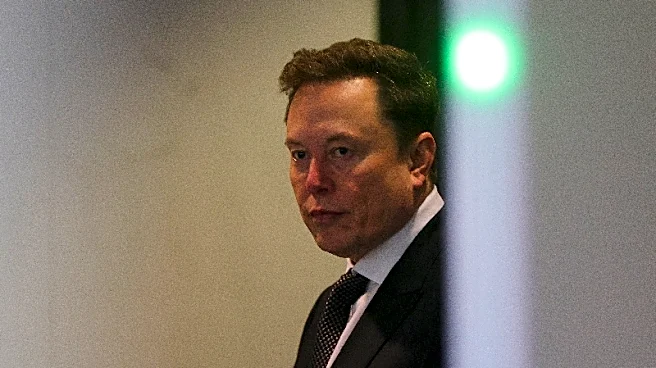
Elon Musk's lawsuit against OpenAI and its CEO Sam Altman was dismissed by a jury in Oakland, California. Musk had accused Altman of transforming OpenAI from a nonprofit to a for-profit entity, allegedly
breaching its original mission. The jury found that Musk's claims were filed too late, as they were subject to a three-year statute of limitations. The lawsuit, which sought $134 billion in damages and the removal of Altman and co-founder Greg Brockman from their positions, was seen as a significant threat to OpenAI's operations. The verdict allows OpenAI to focus on its upcoming initial public offering (IPO) and its competition with rival AI company Anthropic.
Why It's Important?
The dismissal of Musk's lawsuit is a pivotal moment for OpenAI, removing a major legal and financial threat. This outcome allows OpenAI to proceed with its strategic goals, including a potential IPO, without the looming risk of substantial damages. The case highlights the intense competition in the AI industry, particularly between OpenAI and Anthropic, as both companies vie for market dominance and investor capital. The verdict also underscores the importance of adhering to legal timelines in corporate disputes, as Musk's claims were dismissed due to the statute of limitations.
What's Next?
With the lawsuit behind them, OpenAI is expected to accelerate its efforts towards an IPO, potentially valued at over $1 trillion. The company will continue to compete with Anthropic for market share, talent, and technological advancements. Musk's legal team has indicated plans to appeal the decision, suggesting that the legal battle may not be entirely over. However, the current ruling provides OpenAI with a clearer path to focus on its business objectives and capitalize on the growing demand for AI technologies.