






What's Happening?
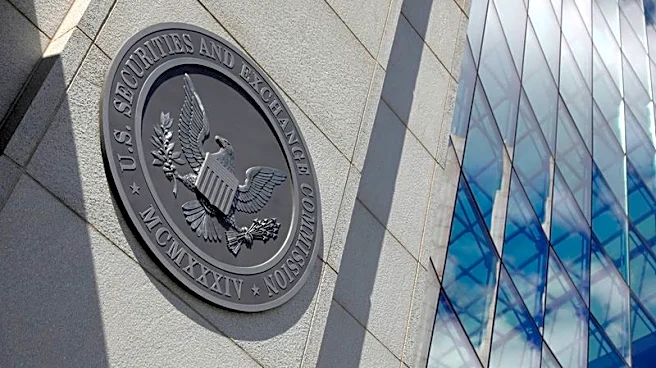
The Securities and Exchange Commission (SEC) has announced the appointment of David Woodcock as the Director of the Division of Enforcement, effective May 4, 2026. Woodcock, who is currently a partner at Gibson, Dunn & Crutcher LLP, will succeed Sam Waldon,
who has been serving as Acting Director. SEC Chairman Paul S. Atkins highlighted the division's recent course correction to prioritize cases that enhance investor protection and market integrity. Woodcock brings extensive experience from his previous roles, including his tenure as Director of the Fort Worth Regional Office and his work in securities enforcement and corporate governance. His appointment is seen as a strategic move to bolster the SEC's efforts in tackling misconduct that harms investors.
Why It's Important?
The appointment of David Woodcock is significant as it underscores the SEC's commitment to reinforcing its enforcement capabilities. With a focus on investor protection and market integrity, Woodcock's leadership is expected to drive more rigorous enforcement actions against securities violations. This move is crucial for maintaining investor confidence and ensuring the transparency and fairness of financial markets. The SEC's emphasis on addressing misconduct aligns with broader regulatory trends aimed at safeguarding the interests of investors and enhancing the accountability of market participants. Woodcock's expertise and previous experience with the SEC are likely to contribute to more effective enforcement strategies.
What's Next?
As David Woodcock assumes his role, the SEC is expected to continue its focus on high-impact enforcement cases. Stakeholders, including investors and financial institutions, will be closely monitoring the division's actions under Woodcock's leadership. The SEC's enforcement priorities may influence corporate compliance practices and potentially lead to increased scrutiny of financial disclosures and accounting practices. Woodcock's approach to enforcement could also impact the SEC's collaboration with other regulatory bodies and its engagement with the financial industry to address emerging challenges.