





What's Happening?
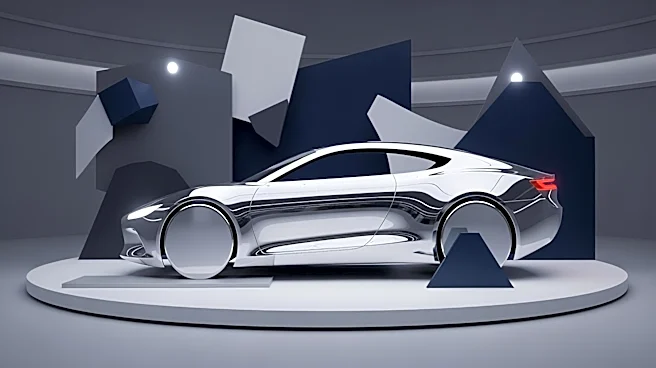
At the recent Milan Design Week, automotive brands showcased a shift from traditional product launches to cultural engagement. Brands like Lexus and Kia presented exhibitions that focused on cultural narratives and artistic interpretations rather than
direct product promotion. Lexus's 'SPACE' exhibition featured co-created installations exploring mobility, while Kia's 'Opposites United' concept emphasized sensory experiences. This approach reflects a broader trend in the automotive industry towards integrating cultural relevance into brand strategies, moving away from conventional showroom-style presentations.
Why It's Important?
This cultural engagement strategy signifies a major shift in how automotive brands connect with consumers. By focusing on cultural participation, brands aim to influence consumer perceptions and emotions, which are crucial in the premium car market. This approach can enhance brand image and appeal to design-conscious audiences, potentially leading to increased brand loyalty and market differentiation. The success of these initiatives at events like Milan Design Week could set a precedent for future automotive marketing strategies.
Beyond the Headlines
The move towards cultural engagement also highlights the evolving role of automotive brands as cultural curators rather than just product manufacturers. This shift could lead to new collaborations with artists and designers, further blurring the lines between automotive and cultural industries. It also raises questions about the future of traditional auto shows and the potential for more immersive and experiential brand interactions.