
What's Happening?
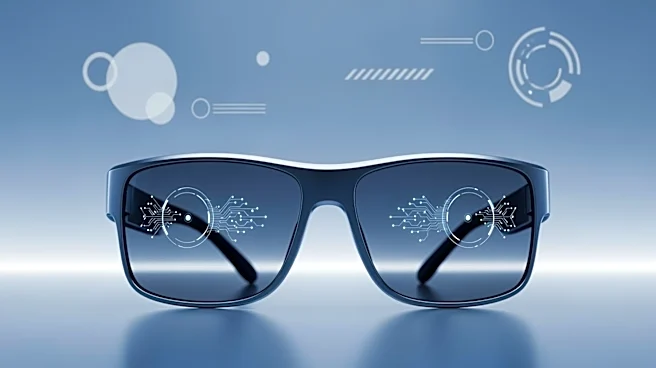
Snap Inc. has announced a multi-year strategic partnership with Qualcomm to integrate Snapdragon XR platforms into its future Specs smart glasses. This collaboration, revealed on April 10, 2026, marks
a significant shift from research and development to consumer-grade hardware production. The partnership aims to leverage Qualcomm's Snapdragon XR silicon and on-device AI tools, allowing Snap to focus on enhancing software experiences and content distribution. This move is expected to streamline development processes, reduce costs, and accelerate the transition from development kits to retail units. Snap has invested $3 billion over 11 years in augmented reality (AR) development, positioning itself to compete in a market currently dominated by Meta, which holds a 70% share in the smart glasses sector.
Why It's Important?
The partnership between Snap and Qualcomm is crucial as it provides a clear supply chain and platform partner, transforming Specs from a prototype into a viable consumer product. This development could potentially lower production costs and shorten time-to-market, shifting the competitive focus to software and content rather than just hardware specifications. For Snap, this collaboration could help it gain a foothold in the AR market, challenging Meta's dominance. The deal also highlights the growing importance of AR technology and its potential impact on consumer electronics, offering new opportunities for developers and content creators to innovate and engage users.
What's Next?
With the Qualcomm partnership, Snap is expected to accelerate the launch of its Specs smart glasses, focusing on software-first features. The company is recruiting nearly 100 global roles to expedite product engineering and launch timelines. As Snap prepares to enter the market, it will need to convert developer interest into consumer-friendly applications to compete with Meta. The success of this venture will depend on aligning supply and pricing with consumer expectations, as well as effectively marketing the new capabilities of its smart glasses.