
What's Happening?
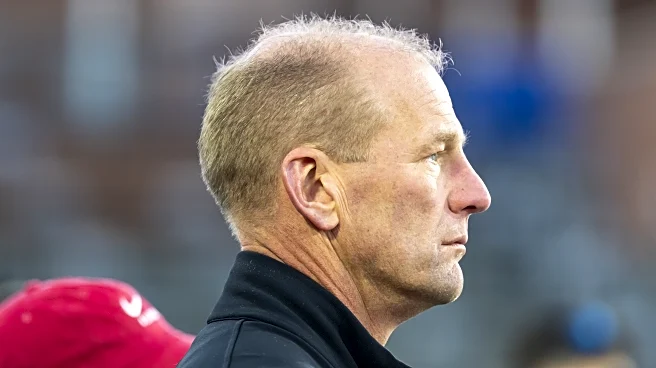
The Southeastern Conference (SEC) is contemplating the creation and enforcement of its own tampering regulations in response to growing concerns about the lack of enforcement by the NCAA and the College Sports Commission (CSC). This initiative is partly driven by frustrations expressed by Clemson head coach Dabo Swinney and University of Georgia president Jere Morehead. Swinney has been vocal about the chaotic state of college football, particularly regarding tampering through the transfer portal. Morehead has suggested that the SEC should take the lead in establishing and enforcing rules to address these issues, as current regulations are not being adequately enforced. The idea is gaining traction among SEC program presidents, who believe that setting
an example could encourage other Power 4 conferences to follow suit.
Why It's Important?
The potential move by the SEC to establish its own tampering regulations could significantly impact the landscape of college football. By taking a proactive stance, the SEC aims to create a more orderly and fair environment for its member institutions. This could lead to a reduction in the chaos currently associated with the transfer portal and tampering allegations. If successful, the SEC's actions might prompt other conferences to adopt similar measures, leading to a more standardized approach across college football. This could benefit schools, coaches, and athletes by providing clearer guidelines and reducing the uncertainty and disputes that currently plague the system.
What's Next?
If the SEC decides to proceed with creating its own tampering regulations, the proposal will be presented to SEC commissioner Greg Sankey for consideration. The conference will need to gather sufficient support from its member institutions to move forward with this initiative. Should the SEC implement these regulations, it will be crucial to monitor how other conferences respond and whether they adopt similar measures. The NCAA's reaction to the SEC's potential actions will also be significant, as it could influence broader regulatory changes in college sports governance.