
What's Happening?
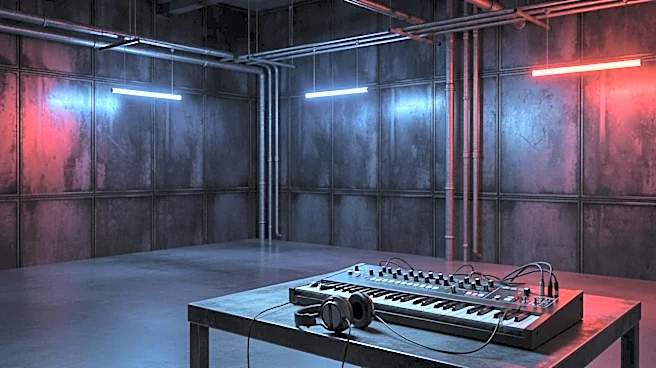
Das Bunker, an industrial music nightclub founded in Long Beach in 1996, is celebrating its 30th anniversary. The club, established by DJ and promoter John Giovanazzi, has been a significant force in Los
Angeles' electronic underground scene. Despite the fluctuating popularity of industrial music over the decades, Das Bunker has maintained its relevance by adapting to new trends and cultivating a dedicated following. The club is marking its milestone with a series of events featuring both veteran European acts and emerging artists. Das Bunker has become a staple at Catch One in Mid-City, Los Angeles, and continues to attract young crowds interested in the niche, harsh subgenre of music.
Why It's Important?
Das Bunker's longevity highlights the resilience and adaptability of niche music scenes in a rapidly changing cultural landscape. The club's ability to survive industry downturns and shifts in musical trends underscores the importance of community and innovation in sustaining subcultures. By providing a platform for both established and new artists, Das Bunker plays a crucial role in preserving and promoting industrial music. Its continued success also reflects broader trends in the music industry, where live events and unique experiences are increasingly valued in an era dominated by digital consumption.
What's Next?
As Das Bunker continues its anniversary celebrations, it plans to host a variety of events that showcase different styles and artists within the industrial music genre. The club's future will likely involve further adaptation to the evolving tastes of its audience and the challenges of maintaining a physical presence in a digital age. The ongoing support from its community and the broader music scene will be essential for its continued success.
Beyond the Headlines
Das Bunker's story is a testament to the enduring appeal of subcultures that offer a sense of discovery and belonging. In an age where music is often consumed passively online, the club provides a space for immersive, in-person experiences that foster deeper connections between artists and audiences. This highlights the cultural significance of physical venues in preserving the history and identity of niche music scenes.