

What's Happening?
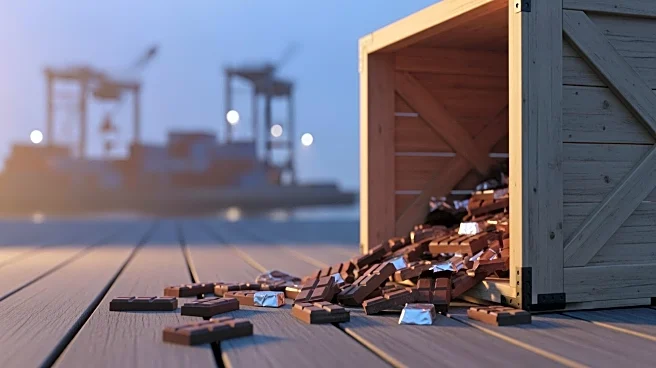
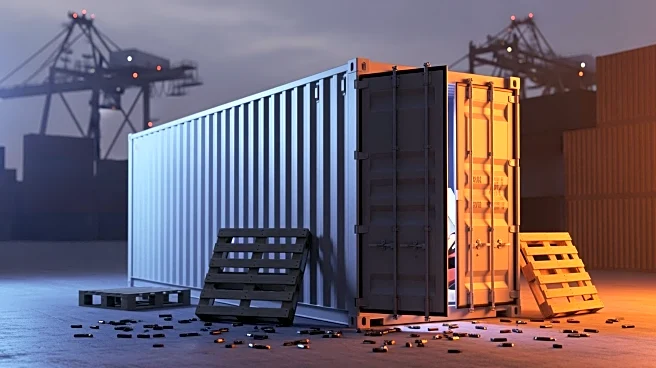
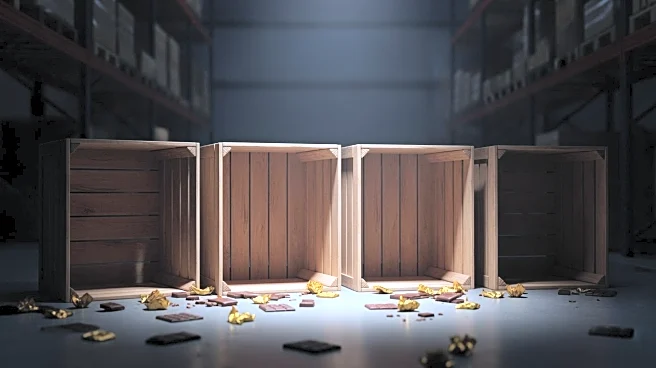
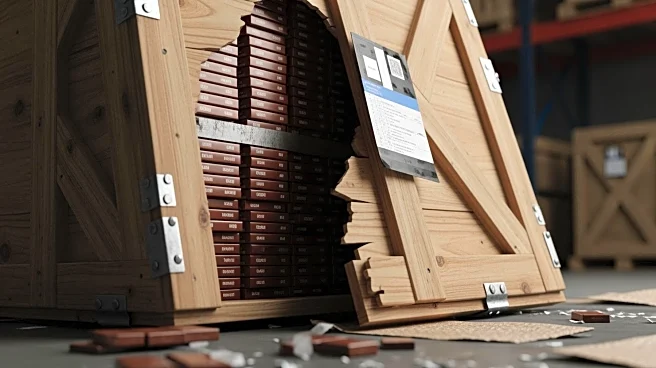
Swiss food giant Nestle has reported the theft of a significant shipment of KitKat chocolate bars, totaling approximately 12 tons. The incident occurred last week when a truck carrying 413,793 bars of a new chocolate range departed from Nestle's production
facility in central Italy, destined for Poland, but disappeared en route. The company has not disclosed the exact location where the truck was lost. Nestle has expressed concerns that the stolen chocolate could enter unofficial sales channels. However, the company has assured that the unique batch codes on each bar will allow for tracking and identification if the products surface in the market. This theft highlights a growing trend of cargo thefts affecting businesses globally.
Why It's Important?
The theft of such a large quantity of KitKat bars could have several implications. For Nestle, it represents a potential financial loss and a disruption in supply, particularly in European markets where shortages of the product may occur. The incident also underscores a broader issue of cargo theft, which is becoming increasingly sophisticated and poses a significant challenge to businesses of all sizes. This trend can lead to increased costs for companies as they invest in more robust security measures and insurance. Additionally, if the stolen goods enter the market through unofficial channels, it could impact pricing and brand reputation, as well as complicate supply chain logistics.
What's Next?
Nestle is likely to enhance its security measures to prevent future incidents and may collaborate with law enforcement to recover the stolen goods. The company will also monitor the market for any signs of the stolen KitKat bars being sold unofficially. Businesses in the food and logistics sectors may also take note of this incident, potentially leading to industry-wide discussions on improving cargo security. Consumers might experience temporary shortages or price fluctuations in affected regions, particularly with the Easter season approaching, which traditionally sees increased demand for chocolate products.