






What's Happening?
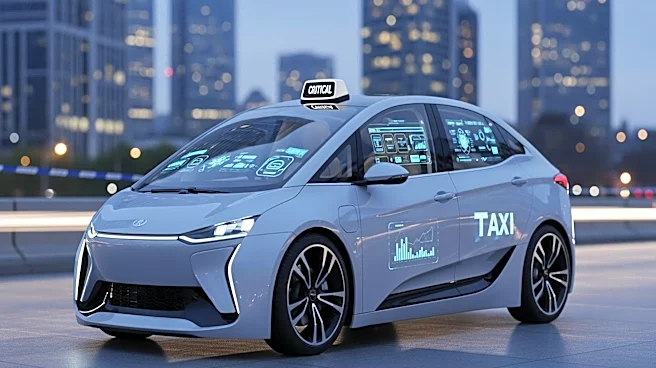
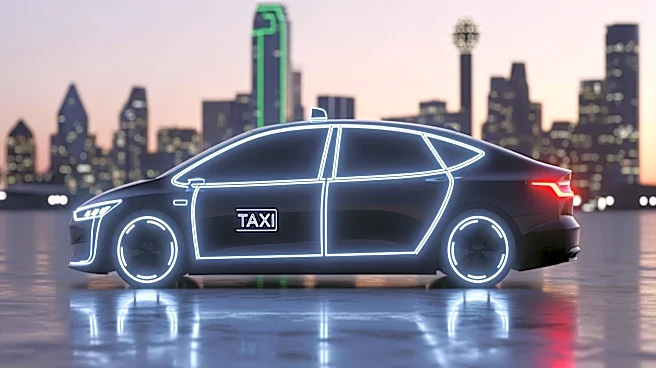
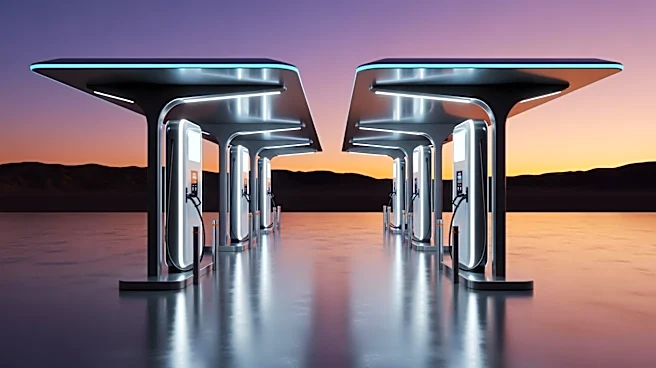
Tesla has filed permit applications for two new Supercharger stations in Chandler and Mesa, Arizona, marking its first dedicated charging infrastructure for robotaxi operations. The Chandler site will feature 56 stalls on an industrial plot, while a similar
application has been filed for Mesa. These locations are strategically chosen in Phoenix's East Valley, a region where Waymo first launched its robotaxi service in 2018 and continues to operate a significant fleet. Tesla's move is seen as a competitive gesture towards Waymo, as well as a logistical step in expanding its autonomous vehicle infrastructure. Previously, Tesla had attempted to establish a robotaxi charging hub in San Francisco but withdrew the application due to building constraints and union opposition. The current robotaxi fleet in Texas, including Houston and Dallas, is small, with only a few vehicles operating in limited areas. The new Arizona sites could potentially be opened to the public if the robotaxi program does not scale as anticipated.
Why It's Important?
This development is significant as it highlights Tesla's ongoing efforts to expand its autonomous vehicle operations and infrastructure. By establishing dedicated robotaxi charging stations, Tesla is positioning itself to compete more directly with established players like Waymo in the autonomous vehicle market. The move also reflects Tesla's strategic planning in infrastructure development, which could influence the broader adoption of autonomous vehicles. The potential public use of these Supercharger stations, if the robotaxi program does not expand as planned, indicates Tesla's flexibility in adapting its infrastructure to market demands. This could have implications for the electric vehicle charging network in Arizona, potentially increasing accessibility for EV owners in the region.
What's Next?
Tesla's next steps will likely involve monitoring the performance and scalability of its robotaxi fleet in Texas and Arizona. The company may also consider expanding its autonomous vehicle operations to other regions if the initial deployments prove successful. Additionally, Tesla's upcoming earnings call could provide further insights into its strategic priorities and financial health, particularly in light of recent revenue and delivery declines. The development of the Cybercab, Tesla's purpose-built autonomous vehicle, will also be a key area to watch, as it requires different charging infrastructure than the current Model Y fleet.
Beyond the Headlines
The establishment of dedicated robotaxi charging stations raises questions about the future of urban transportation and the role of autonomous vehicles in reducing traffic congestion and emissions. Tesla's move could accelerate the shift towards autonomous ride-hailing services, potentially impacting traditional taxi and ride-hailing industries. The ethical and regulatory implications of autonomous vehicle deployment, including safety standards and labor market effects, will also be important considerations as Tesla and other companies expand their operations.