
What's Happening?
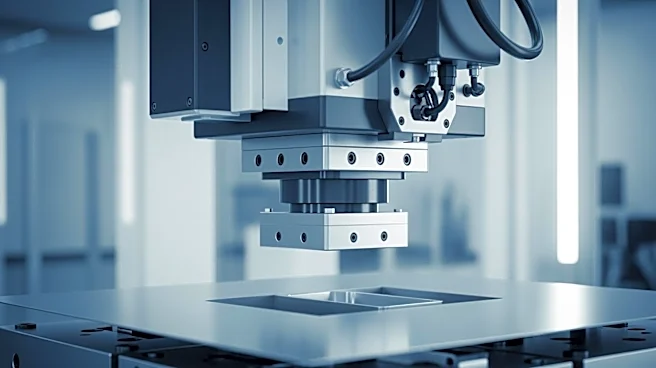
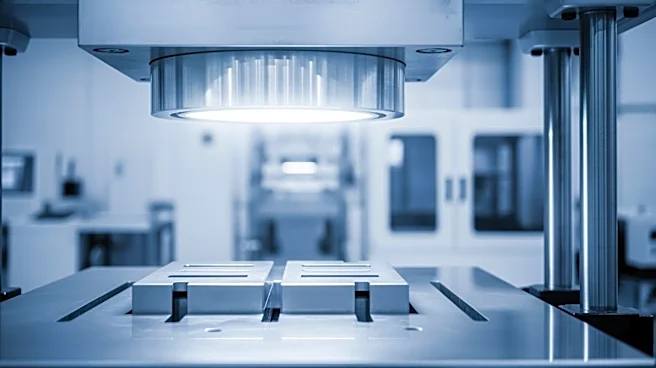
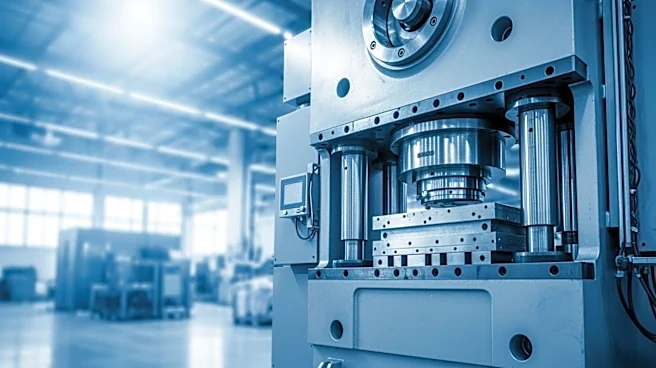
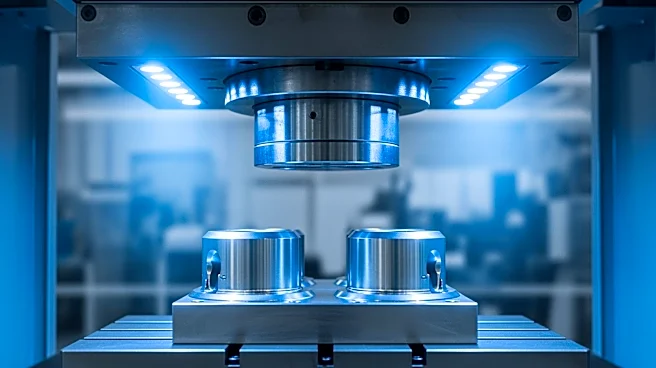
IperionX Limited has successfully commissioned a 300-ton, six-axis SACMI powder metallurgy press at its Titanium Manufacturing Campus in South Boston, Virginia. This new equipment significantly enhances
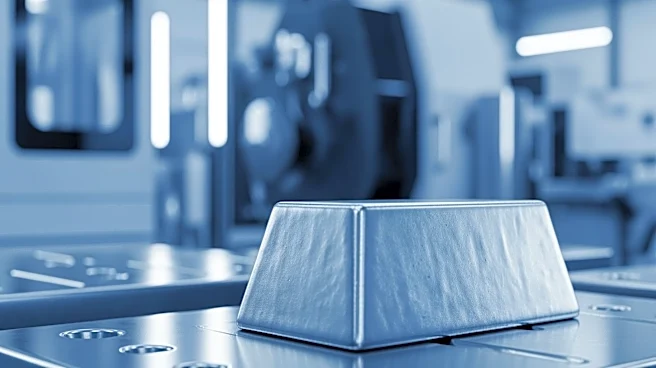
IperionX's capacity to produce complex titanium components, tripling its existing powder metallurgy capabilities. The press is designed to manufacture a wide range of high-value titanium components, such as fasteners, gears, and brackets, which are crucial for defense, aerospace, and industrial applications. The SACMI press utilizes titanium powder from IperionX's low-cost, U.S.-sourced feedstocks, bypassing traditional supply chains and reducing waste, costs, and lead times. This development is part of IperionX's strategy to expand its domestic titanium manufacturing platform, supported by the U.S. Government's IBAS expansion program.
Why It's Important?
The commissioning of the SACMI press is a significant step for the U.S. titanium industry, as it addresses long-standing challenges related to cost and supply chain constraints. By enhancing domestic production capabilities, IperionX is poised to reduce reliance on foreign titanium sources, which is critical for national security and industrial competitiveness. The ability to produce complex titanium components more efficiently and at a lower cost could lead to broader adoption of titanium in various sectors, including defense and aerospace, where its strength-to-weight ratio and corrosion resistance are highly valued. This development also aligns with broader efforts to strengthen U.S. manufacturing and supply chain resilience.
What's Next?
IperionX plans to integrate the SACMI press with additional HSPT sintering and forging furnace capacity, expected to arrive in June. This expansion will support customer qualification and scale-up of titanium component manufacturing in Virginia. The company aims to transition customer programs from prototypes to high-volume production, further solidifying its position in the titanium market. Stakeholders in the defense and aerospace industries are likely to monitor these developments closely, as they could impact procurement strategies and supply chain dynamics.