




What's Happening?
Joby Aviation has successfully completed its first electric vertical takeoff and landing (eVTOL) demonstration flights in New York City, marking a significant milestone in the development of urban air mobility. The flights, which took place between Manhattan
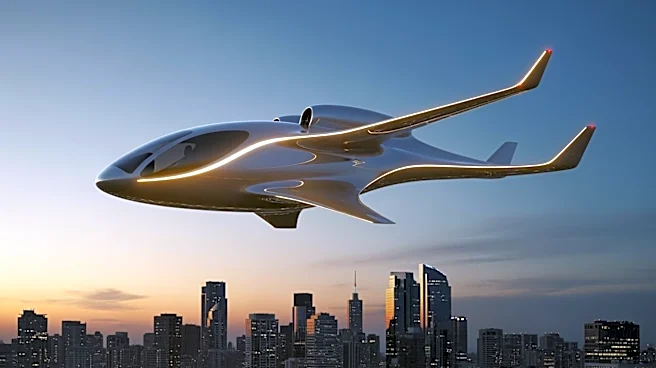
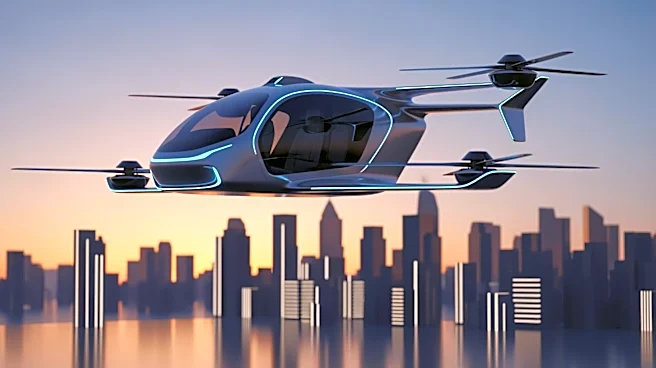
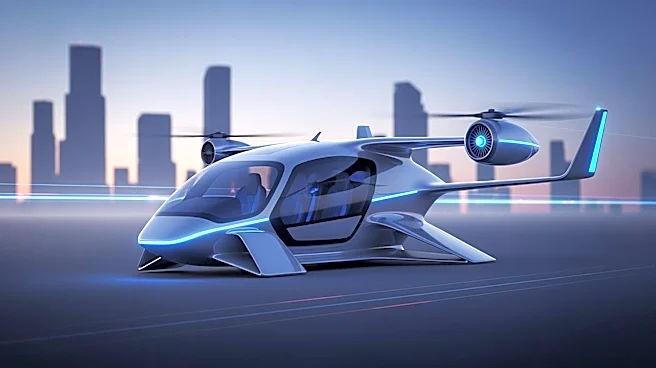
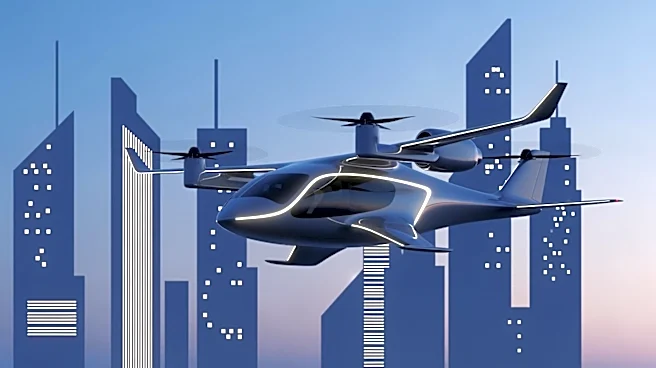
and John F. Kennedy International Airport, are part of a 10-day campaign under the Federal Aviation Administration’s (FAA) eVTOL Integration Pilot Program. Joby's aircraft, resembling large battery-powered drones, can carry five people, including a pilot, and are designed to reduce the typical 60-to-120-minute drive to JFK to a mere seven-minute flight. The company, which owns helicopter ride-share company Blade and partners with Delta Air Lines and Uber, aims to connect existing heliports in Lower and Midtown Manhattan to JFK, offering a quieter and zero-emission alternative to traditional helicopters.
Why It's Important?
The introduction of electric air taxis by Joby Aviation could significantly transform urban transportation, particularly in congested cities like New York. By drastically reducing travel times between key locations, these air taxis offer a promising solution to urban traffic congestion and pollution. The successful demonstration flights represent a step forward in the FAA's efforts to integrate next-generation aviation technology into the national airspace. This development could pave the way for broader adoption of eVTOLs, impacting industries such as transportation, logistics, and emergency services. The potential for reduced emissions and noise pollution also aligns with environmental sustainability goals, offering a cleaner alternative to traditional air and ground transportation.
What's Next?
Joby Aviation is in the final stages of FAA certification, which involves a five-stage process. The data collected from these pilot projects will be crucial for the FAA to develop new regulations that enable the safe and scalable deployment of eVTOL technology. As the company continues its testing, it collaborates with various state departments of transportation, including those in Texas, Utah, Florida, and North Carolina, to explore additional applications such as regional passenger transport and emergency response operations. The success of these initiatives could lead to the establishment of a comprehensive urban air mobility network, potentially transforming how people and goods move within and between cities.