



What's Happening?
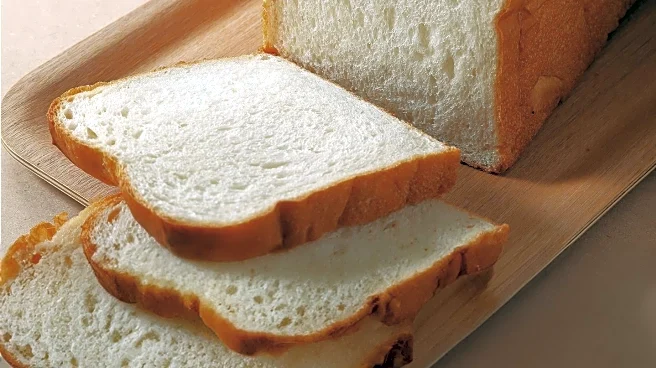
A recent study published in the Journal of Preventative and Complementary Medicine suggests that freezing bread can alter its starch structure, potentially making it healthier. The process, known as retrogradation, occurs when bread is frozen, causing its starches to become resistant starch, which behaves like fiber. This transformation reportedly leads to a slower rise in blood sugar levels, which could reduce the risk of type 2 diabetes and weight gain. The study found that consuming frozen and reheated white bread resulted in a lower blood sugar increase compared to fresh bread. Additionally, a 2007 study from the European Journal of Clinical Nutrition supports these findings, showing a reduced glycemic response when bread is frozen and defrosted,
toasted, or both.
Why It's Important?
The findings of these studies could have significant implications for dietary recommendations, particularly for individuals managing blood sugar levels, such as those with diabetes. By incorporating frozen and reheated bread into their diets, individuals might experience better blood sugar control, potentially reducing the risk of diabetes-related complications. This could also influence consumer behavior, encouraging more people to freeze bread as a simple method to improve its health benefits. Furthermore, the food industry might explore new product offerings or marketing strategies that highlight the health benefits of frozen bread.
What's Next?
Further research is likely needed to confirm these findings and explore the broader implications for other starchy foods. If additional studies support these results, healthcare professionals might begin recommending freezing bread as part of dietary guidelines for managing blood sugar levels. The food industry could also respond by developing new products or packaging that facilitate freezing and reheating, making it easier for consumers to adopt this practice.
Beyond the Headlines
This development highlights the potential for simple food preparation techniques to impact health significantly. It also raises questions about how traditional dietary advice might evolve with new scientific insights. The cultural practice of consuming fresh bread could be challenged by these findings, leading to shifts in consumer habits and preferences.