




What's Happening?
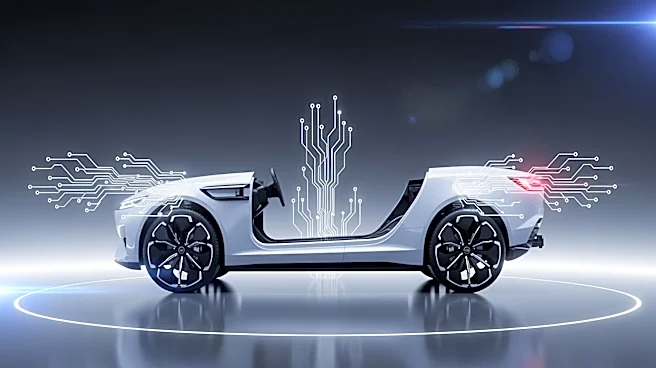
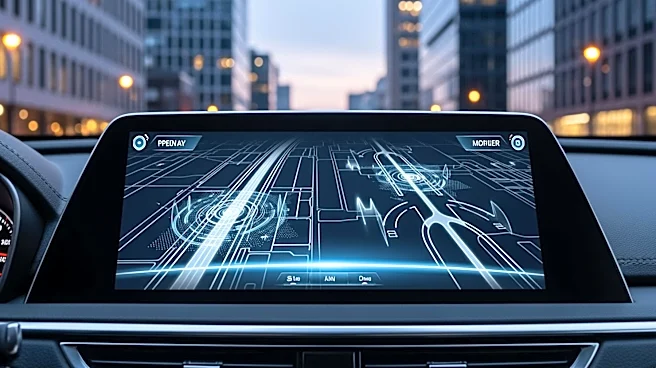
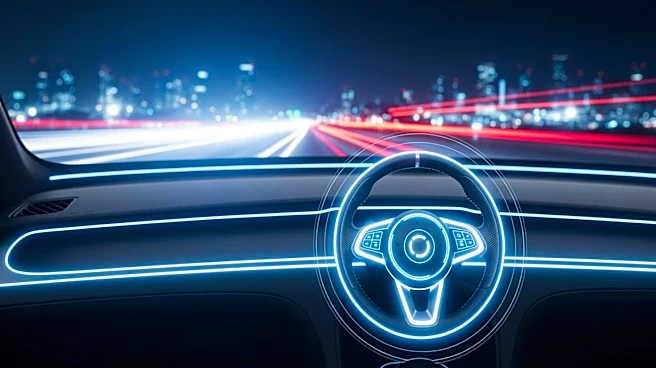
Nissan has introduced a new hands-free driving technology called 'AI Drive' in Tokyo, aiming to bring autonomous driving to the masses. This technology combines AI software with Nissan's existing ProPilot driver-assistance system, utilizing 11 cameras,
five radar systems, and one LiDAR system. The AI Drive system is designed to provide 360-degree visibility and predict road conditions, although it is not yet at level 4 autonomy, which would allow for complete driverless operation. The system requires drivers to remain attentive and ready to take control if necessary. Nissan plans to roll out this technology across 90% of its vehicle lineup, with a pilot program for self-driving cabs in Tokyo set for late 2026.
Why It's Important?
The introduction of AI Drive technology by Nissan represents a significant step forward in the development of autonomous vehicles. By potentially offering hands-free driving across a wide range of consumer vehicles, Nissan is positioning itself as a leader in the automotive industry's shift towards autonomy. This could lead to increased safety on roads, reduced human error, and greater convenience for drivers. The partnership with Uber for self-driving cabs in Japan also highlights the growing interest in autonomous transportation solutions, which could transform urban mobility and reduce traffic congestion.
What's Next?
Nissan's next steps involve scaling the AI Drive technology for consumer vehicles and ensuring its seamless operation in various driving environments beyond Tokyo. The company is also focusing on its partnership with Uber to deploy self-driving cabs, which will serve as a testing ground for the technology. As Nissan continues to refine AI Drive, it may face challenges related to regulatory approvals, public acceptance, and technological hurdles. The success of these initiatives could pave the way for broader adoption of autonomous vehicles globally.