







What's Happening?
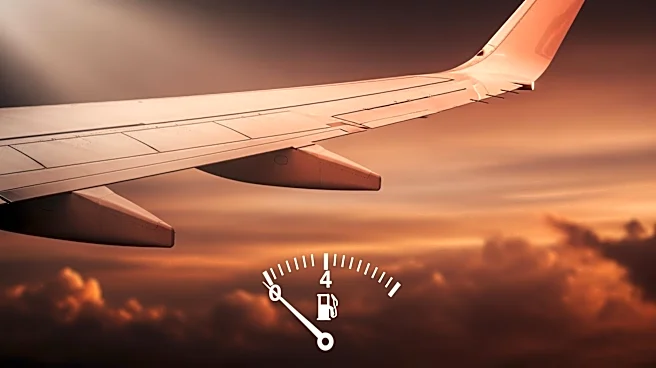
The U.S. airline industry has seen a significant increase in fuel costs, with expenses rising over 56% to $5.06 billion in March, following the onset of the Iran conflict. According to the Department of Transportation's Bureau of Transportation Statistics,
the average cost of jet fuel rose by 30.9% in March. This surge in fuel prices has led to higher fares and ancillary fees across the industry, with several airlines implementing broad fare increases. The financial strain has prompted discussions about potential mergers, partnerships, and the possible exit of smaller carriers from the market.
Why It's Important?
The sharp rise in fuel costs poses a substantial challenge for the U.S. airline industry, affecting profitability and operational strategies. Higher fuel expenses are typically passed on to consumers through increased ticket prices and fees, which could dampen demand for air travel. The financial pressure may also drive industry consolidation, as airlines seek to achieve economies of scale and reduce costs. These developments could reshape the competitive landscape of the airline industry, impacting stakeholders from consumers to investors.
What's Next?
As the geopolitical situation in Iran continues to evolve, the airline industry will need to adapt to fluctuating fuel prices and economic conditions. Airlines may explore strategic alliances or cost-cutting measures to mitigate financial pressures. The potential for further industry consolidation could lead to changes in market dynamics, affecting competition and consumer choice. Stakeholders will need to monitor these developments closely to navigate the challenges and opportunities in the evolving aviation sector.