



What's Happening?
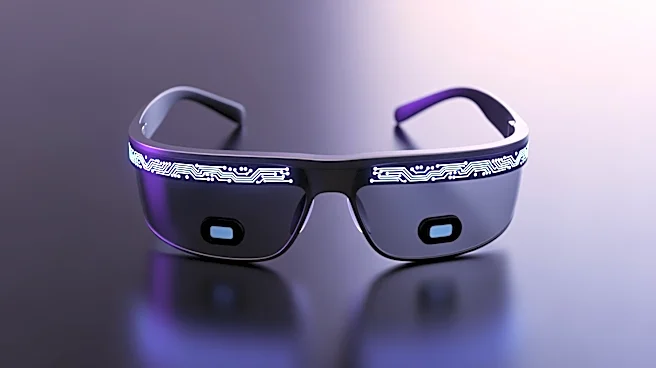
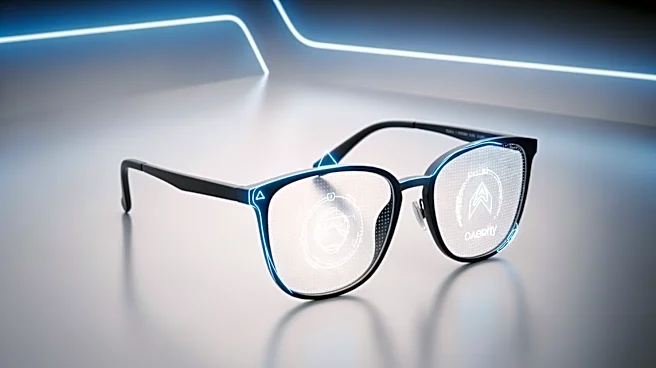
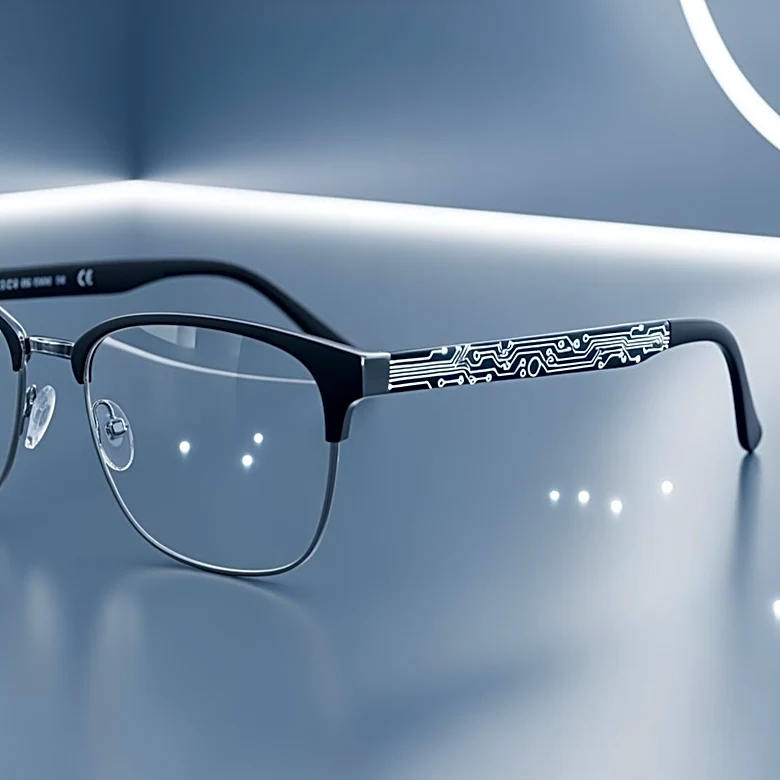
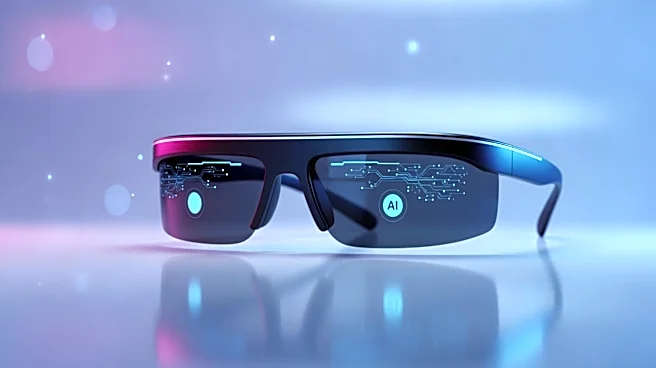
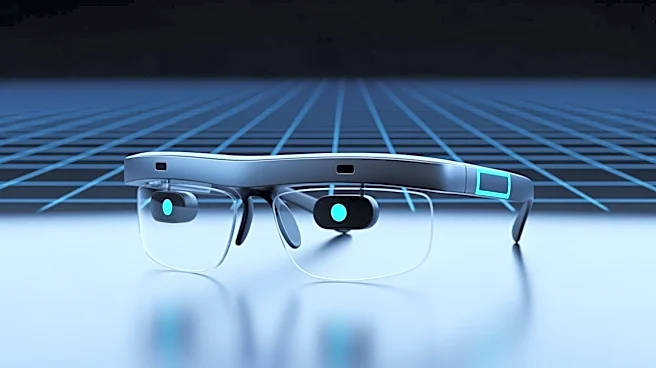
Meta has announced the launch of two Ray-Ban Meta prescription models, marking a significant step in making augmented reality (AR) glasses accessible to the mainstream market. Preorders for these glasses will begin on April 14, 2026, with prices starting
at $499. This launch is part of a broader trend where major brands are transitioning from prototype AR eyewear to consumer-ready products. The Ray-Ban Meta glasses are designed to offer users the convenience of AR features without the need to pull out their phones, making them suitable for everyday use. This development is part of a larger movement in the AR industry, where companies like Snap and Warby Parker are also making strides in integrating AI and AR technologies into consumer products.
Why It's Important?
The introduction of prescription-friendly AR glasses by Meta represents a pivotal moment in the wearable technology market. By making AR glasses available through optical retailers, Meta is expanding the accessibility of AR technology to a broader audience, potentially increasing adoption rates. This move could influence other companies to follow suit, thereby accelerating the integration of AR into daily life. The partnership with Ray-Ban also highlights the importance of collaboration between tech companies and traditional eyewear brands, which could lead to more innovative and user-friendly products. As AR technology becomes more mainstream, it could transform how people interact with digital content, offering new opportunities for businesses and developers.
What's Next?
With the launch of Ray-Ban Meta glasses, Meta is likely to continue expanding its AR product line, potentially introducing more advanced features and models in the future. The success of these glasses could prompt other tech companies to accelerate their own AR initiatives, leading to increased competition and innovation in the market. Consumers can expect more options and improvements in AR eyewear, including better battery life, enhanced graphics, and more intuitive user interfaces. As the technology evolves, it may also lead to new applications in various fields such as education, healthcare, and entertainment.