




What's Happening?
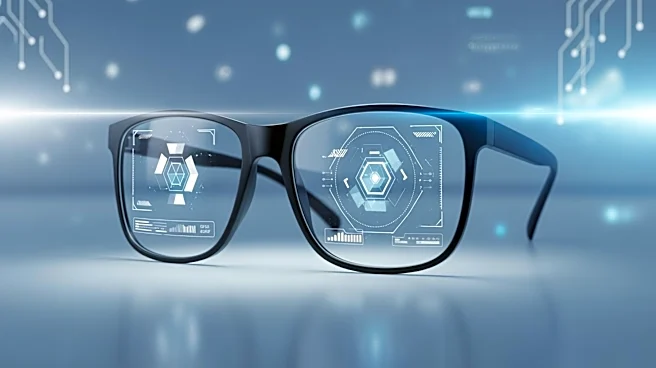
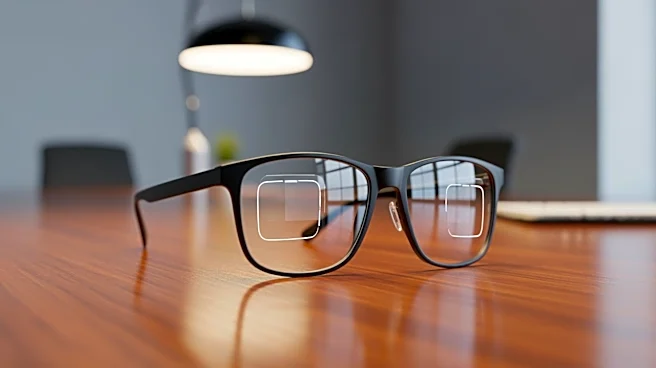
In 2026, major technology and eyewear companies are introducing new smart glasses, aiming to make augmented reality (AR) a part of everyday life. Meta has expanded its Ray-Ban smart glasses line with two new prescription models, available from April 14,
2026, priced at $499. Google, in collaboration with Warby Parker, is integrating AI into stylish frames, moving away from bulky headsets. Apple is reportedly testing four smart-glasses designs, focusing on aesthetics and functionality without visible displays. Snap is preparing to launch consumer glasses with a focus on social AR features, while Vuzix continues to evolve its enterprise AR glasses. These developments mark a shift from prototypes to consumer-ready products, with companies betting on different designs and features to capture the market.
Why It's Important?
The introduction of these smart glasses represents a significant step in the integration of AR technology into consumer products. By making AR more accessible and stylish, companies like Meta, Google, and Apple are attempting to transform how consumers interact with technology in their daily lives. This could lead to increased adoption of AR, impacting industries such as retail, entertainment, and social media. However, the success of these products will depend on consumer acceptance, particularly concerning privacy and usability. The competition among tech giants to dominate this market could drive innovation and lower prices, making AR technology more mainstream.
What's Next?
As these smart glasses hit the market, consumer reactions will be crucial in determining their success. Companies will need to address privacy concerns and demonstrate the practical benefits of AR to encourage widespread adoption. The market will likely see further innovations as companies refine their designs based on consumer feedback. Additionally, regulatory scrutiny may increase as AR technology becomes more prevalent, particularly regarding data privacy and security. The next few years will be pivotal in shaping the future of AR in consumer technology.
Beyond the Headlines
The push for smart glasses highlights broader trends in technology, such as the blending of fashion and tech, and the increasing role of AI in consumer products. These developments raise questions about the future of personal privacy and the ethical implications of ubiquitous AR technology. As smart glasses become more common, societal norms around technology use and privacy may shift, prompting discussions about the balance between innovation and personal rights.