
What's Happening?
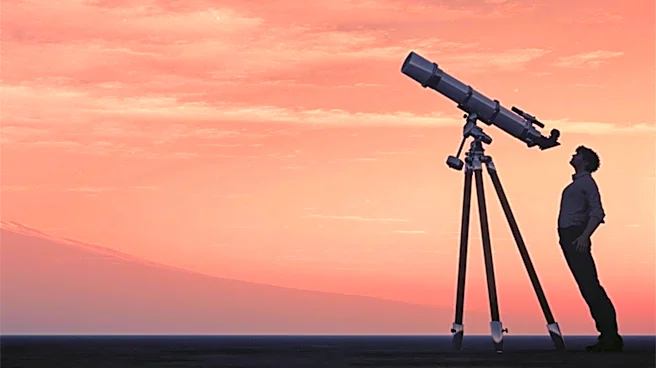
April 17, 2026, is anticipated to be one of the best nights for stargazing in the United States, according to National Geographic's astronomy coverage. This period in mid-April offers strong planetary
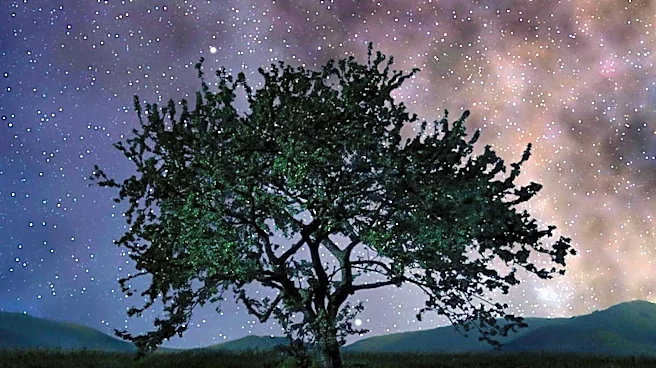
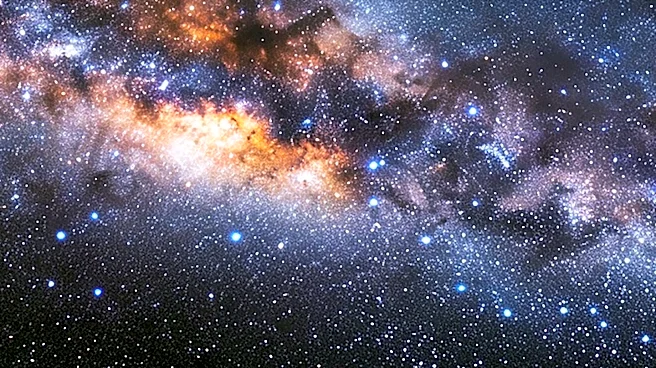
visibility and relatively dark skies, making it ideal for observing celestial bodies. The Royal Astronomical Society notes that the best time for viewing planets is shortly after sunset, while fainter objects like constellations become more visible later in the night. The event is accessible to anyone willing to step outside and let their eyes adjust to the darkness, with no need for telescopes or elaborate plans.
Why It's Important?
Stargazing events like this provide an opportunity for people to connect with the natural world and appreciate the universe's vastness. Such experiences can foster interest in astronomy and science, encouraging educational pursuits and public engagement with scientific topics. Additionally, these events highlight the importance of preserving dark skies, free from light pollution, which is crucial for both amateur and professional astronomical observations.
What's Next?
As April 17 approaches, individuals interested in stargazing are encouraged to find locations with minimal light pollution to maximize their viewing experience. The International Dark-Sky Association certifies areas with limited artificial light, which can enhance visibility. Observers should prepare by identifying the darkest direction available and allowing their eyes to adjust to the darkness for at least 20 minutes.