






What's Happening?
FH Capital, a clean-energy private equity investment firm, has entered into a definitive agreement to acquire a 75.1% stake in JinkoSolar's US subsidiary, Jinko Solar (U.S.) Industries Inc. This acquisition will give FH Capital controlling ownership of
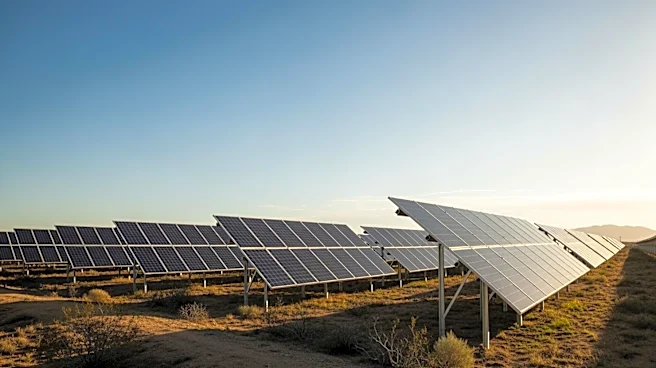
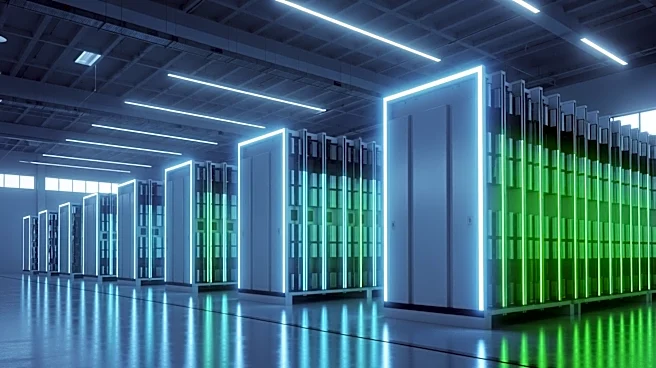
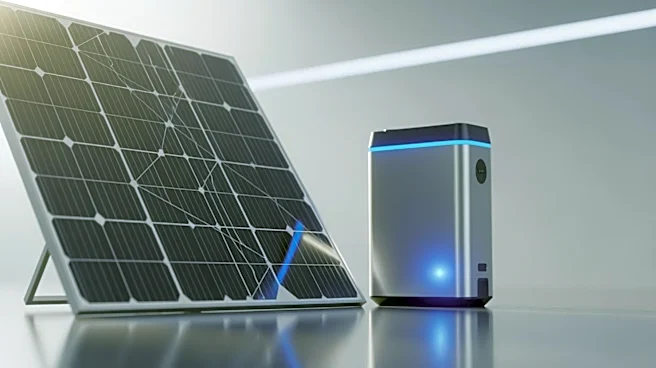
a 2 gigawatts (GW) solar module manufacturing facility and a growing Battery Energy Storage Systems (BESS) business. JinkoSolar will retain a 24.9% minority interest in the business. The transaction is part of a broader trend among Chinese solar manufacturers to restructure their U.S. operations, often reducing ownership stakes or partnering with local entities to comply with evolving U.S. clean-energy manufacturing regulations. The deal is subject to customary closing conditions and regulatory approvals, with financial terms undisclosed.
Why It's Important?
This acquisition is significant as it reflects the ongoing restructuring of Chinese solar manufacturers' operations in the U.S. to align with local regulations and market demands. By acquiring a majority stake, FH Capital aims to expand the solar module production capacity and initiate domestic BESS manufacturing, which could enhance the U.S. renewable energy sector's capabilities. This move is expected to meet the rising demand for domestic solar and storage solutions, potentially boosting the U.S. clean energy market. The transaction also highlights the strategic importance of local partnerships and investments in the renewable energy sector, which could lead to increased job creation and technological advancements in the U.S.
What's Next?
Following the acquisition, FH Capital plans to deploy additional expansion capital to at least double the current solar module production capacity and start domestic BESS manufacturing. This expansion could lead to increased production efficiency and a stronger presence in the U.S. renewable energy market. The transaction is pending regulatory approvals, and its completion could set a precedent for similar deals in the industry. Stakeholders, including regulatory bodies and industry competitors, will likely monitor the transaction's progress and its impact on the U.S. renewable energy landscape.