






What's Happening?
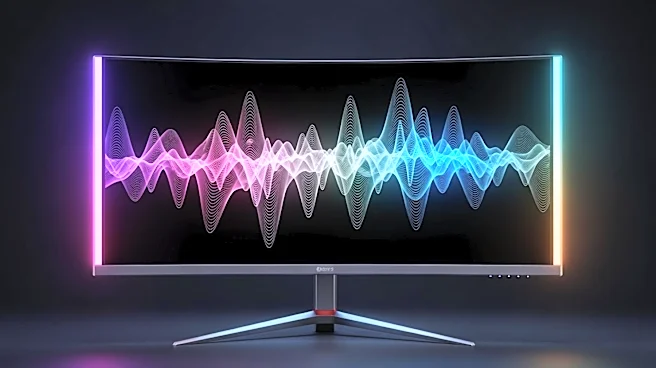
RGB LED technology is emerging as a significant advancement in television displays, offering improvements over traditional Mini LED TVs. Unlike Mini LEDs, which use white or blue LEDs, RGB LEDs incorporate tri-colored red, green, and blue diodes, resulting
in a broader and more vibrant color range. Major TV manufacturers like Hisense, TCL, Sony, Samsung, and LG are adopting this technology, each with their own branding variations. RGB LED TVs promise enhanced color accuracy and brightness, potentially delivering a superior viewing experience. However, challenges such as crosstalk, where colors bleed into unintended areas, remain a concern.
Why It's Important?
The introduction of RGB LED technology represents a significant step forward in TV display innovation, potentially setting a new standard for picture quality. This advancement could influence consumer preferences and drive competition among TV manufacturers, leading to more options and better products in the market. For consumers, RGB LED TVs offer the promise of richer colors and improved viewing experiences, which could enhance home entertainment. As the technology matures, it may also impact the production and distribution of content, encouraging filmmakers and broadcasters to utilize the expanded color capabilities. This development underscores the ongoing evolution of display technologies and their impact on the consumer electronics industry.