





What's Happening?
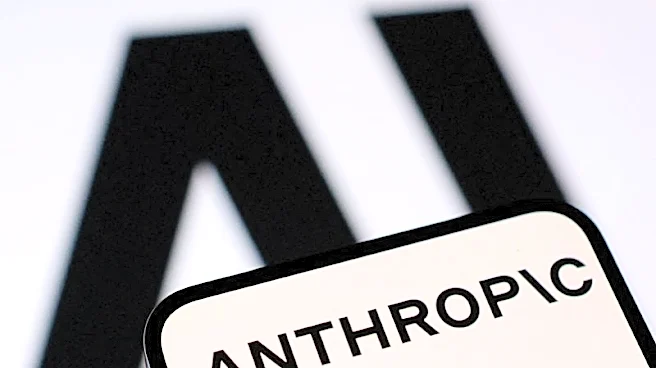
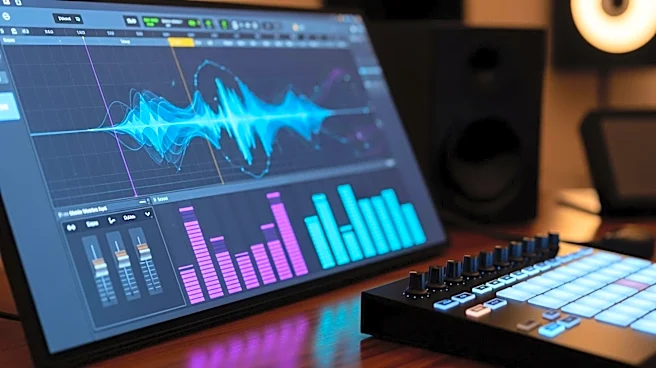
Anthropic has announced that its AI assistant and chatbot, Claude, can now be integrated with Ableton, a popular digital audio workstation (DAW) used by music producers. This integration allows Claude to assist users in their music projects by acting
as an AI assistant. The development is part of a broader initiative by Anthropic to connect Claude with various creative platforms, including Blender and Photoshop. Claude's capabilities include answering complex questions about the software, acting as a virtual tutor, and automating repetitive tasks to streamline the creative process. Additionally, Claude can write scripts and plugins, enhancing the functionality of these platforms. This move follows the launch of Claude Design, a product aimed at helping users create polished visual work. Anthropic has also partnered with other brands like Splice, allowing users to search for royalty-free samples directly within Claude.
Why It's Important?
The integration of AI into creative tools like Ableton represents a significant shift in how music and other creative projects are produced. By automating repetitive tasks and providing advanced support, AI can enhance productivity and creativity, allowing artists to focus more on the artistic aspects of their work. This development could democratize music production by making advanced tools more accessible to a broader range of users, potentially leading to a surge in creative output and innovation. For the music industry, this could mean faster production times and more diverse musical offerings. Additionally, the partnership with platforms like Splice could streamline the workflow for producers, making it easier to access and incorporate new sounds into their projects.
What's Next?
As AI continues to integrate into creative industries, we can expect further advancements in how these tools are used. Major stakeholders in the music and tech industries may explore additional partnerships and integrations to expand the capabilities of AI in creative processes. There could also be discussions around the ethical implications of AI in creativity, such as the balance between human input and machine assistance. Users and developers might push for more customizable AI features to better suit individual creative needs. Furthermore, as AI tools become more prevalent, there may be a need for new educational resources to help users maximize the potential of these technologies.
Beyond the Headlines
The integration of AI like Claude into creative platforms raises questions about the future of creativity and the role of human input. While AI can handle technical and repetitive tasks, the essence of creativity—imagination and taste—remains a human domain. This development could lead to a reevaluation of what it means to be a creator in the digital age. Additionally, as AI tools become more sophisticated, there may be concerns about job displacement in creative fields, although new opportunities could also arise as AI creates new roles and industries. The ongoing support for open-source platforms like Blender by companies like Anthropic highlights a commitment to keeping creative tools accessible and free, fostering innovation and collaboration in the creative community.