







What's Happening?
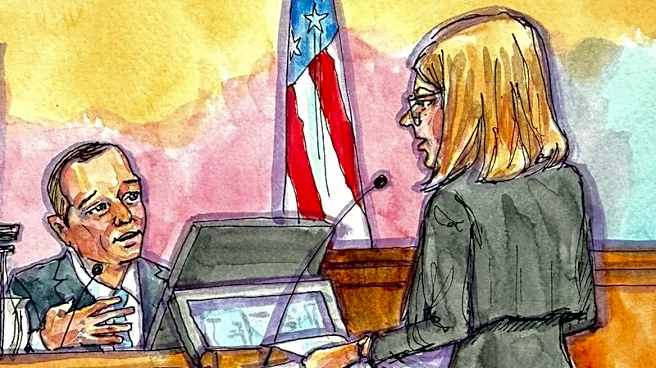
In a federal trial involving Elon Musk and OpenAI CEO Sam Altman, OpenAI cofounder Greg Brockman testified about a significant dispute over the control of OpenAI. The conflict arose during a gathering at Musk's Bay Area mansion in 2017, where Musk, initially
supportive of OpenAI's transition to a for-profit model, later demanded a controlling stake and the CEO position. Brockman described Musk's volatile behavior, which included a demand for 51% equity in OpenAI, citing his success in founding multi-billion-dollar companies. The disagreement culminated in Musk's resignation after the cofounders, including Brockman and Ilya Sutskever, opposed his terms, arguing that Musk lacked expertise in AI and would not dedicate the necessary time to the company.
Why It's Important?
This dispute highlights the challenges and complexities involved in transitioning a nonprofit organization to a for-profit model, especially when significant stakeholders have differing visions. Musk's departure from OpenAI underscores the potential conflicts that can arise when control and strategic direction are contested. The case also raises questions about the influence of major investors in tech startups and the balance between maintaining a nonprofit mission and pursuing commercial viability. The outcome of this trial could impact how future tech companies navigate similar transitions and manage investor relations.
What's Next?
The trial continues as Musk seeks to prove that Altman and Brockman misled him into donating to OpenAI under false pretenses. The legal proceedings will further explore the transfer of intellectual property from the nonprofit to the for-profit entity, a move Musk claims was intended to transform OpenAI into a dominant market force. The trial's outcome could influence OpenAI's future operations and its relationship with investors, as well as set precedents for similar cases in the tech industry.