




What's Happening?
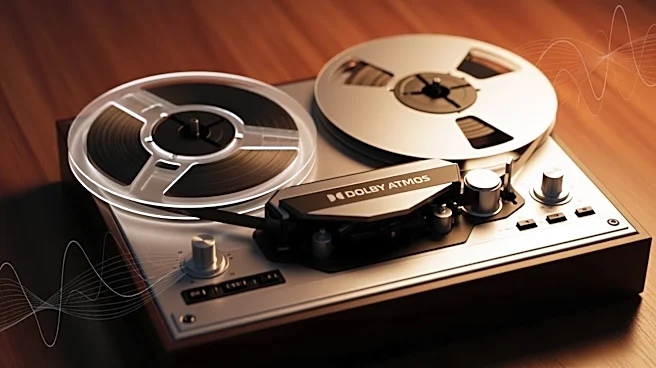
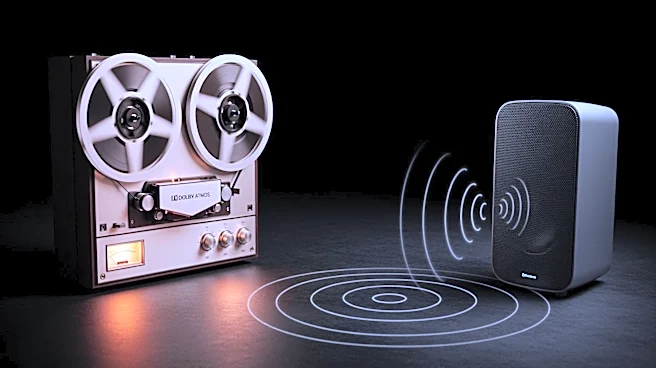
The Stooges have released their self-titled debut album and 'Fun House' in a new format, combining reel-to-reel and Dolby Atmos. This release includes Dolby Atmos (TrueHD 7.1) and Hi-Res Stereo (DTS-HD MA) mixes on Blu-ray, crafted by producer Ed Stasium
from the original multi-track tapes. 'Fun House,' originally recorded in Los Angeles with producer Don Gallucci, was first released on July 7, 1970. Iggy Pop, in the album liners, describes the record as a deliberate escalation, pushing musical boundaries while maintaining its structure. The track listings for both albums include iconic songs such as 'I Wanna Be Your Dog' and 'Down On The Street.'
Why It's Important?
This release is significant as it revitalizes classic rock albums with modern audio technology, potentially reaching new audiences and offering a fresh listening experience for long-time fans. The use of Dolby Atmos and reel-to-reel formats highlights a growing trend in the music industry to enhance audio quality and provide immersive experiences. This could influence other artists and record labels to explore similar releases, impacting how music is consumed and appreciated. The Stooges' decision to revisit these albums underscores the enduring appeal of their music and its influence on rock history.
What's Next?
The release may prompt other classic rock bands to consider similar reissues, potentially leading to a resurgence in interest for vintage albums. Fans and audiophiles might anticipate further releases in high-definition formats, encouraging record labels to invest in remastering projects. Additionally, this could lead to increased sales of audio equipment capable of supporting these advanced formats, impacting the consumer electronics market.
Beyond the Headlines
The reissue of these albums in advanced audio formats raises questions about the preservation and modernization of classic music. It highlights the balance between maintaining the authenticity of original recordings and embracing technological advancements. This move could spark discussions on the cultural significance of preserving musical heritage while adapting to contemporary listening habits.