






What's Happening?
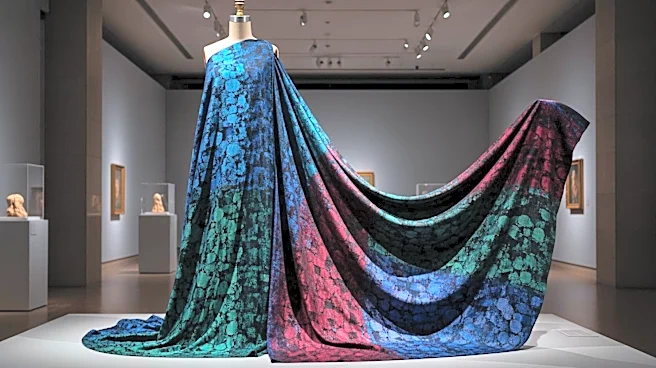
The Metropolitan Museum of Art is embroiled in a controversy over the authorship of a dress featured in its Costume Institute exhibition. Anouska Samms, a British sculptor and filmmaker, claims she contributed to the creation of the 'Corpus Nervina 0.0'
dress, which the museum has attributed solely to Yoav Hadari, a New York-based Israeli fashion designer. Samms asserts that the dress resembles a previous collaboration with Hadari, known as the 'Hair Dress.' Despite a contract stating Samms' ownership of the fabric's intellectual property, Hadari offered the Met two of his own designs instead. The Met has refrained from commenting, leaving the resolution to Samms and Hadari.
Why It's Important?
This dispute highlights the complexities of intellectual property rights in collaborative art and fashion projects. The outcome could set a precedent for how museums and artists handle credit and ownership in joint creations. For the Met, a resolution is crucial to maintaining its reputation as a fair and respectful institution for artists. The case also underscores the importance of clear agreements in creative collaborations, which can impact future partnerships and the recognition of artists' contributions.
What's Next?
The Met has indicated that it will not take action until Samms and Hadari resolve their differences. This situation may prompt discussions within the art and fashion communities about the need for clearer guidelines and contracts in collaborative works. The resolution could involve legal proceedings or a mediated agreement, potentially influencing how similar disputes are handled in the future.
Beyond the Headlines
The dispute raises ethical questions about the recognition of artistic contributions and the responsibilities of major cultural institutions in ensuring fair credit. It also reflects broader issues in the art world regarding the visibility and acknowledgment of lesser-known artists in high-profile exhibitions. The case may encourage other artists to advocate more strongly for their rights and recognition in collaborative projects.