




What's Happening?
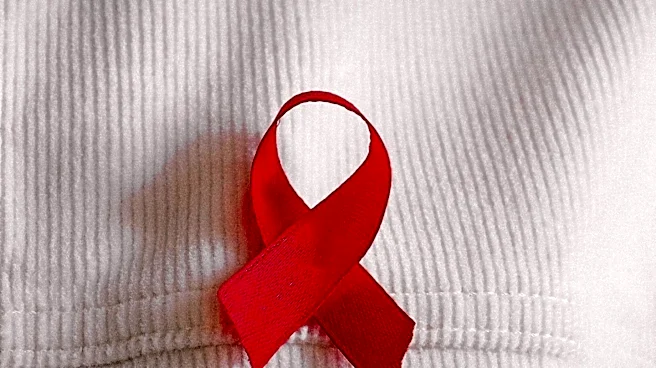
A growing concern among queer men regarding 'PrEP belly'—a term used to describe potential weight gain associated with the HIV prevention medication PrEP—has sparked discussions about body image within the LGBTQ+ community. PrEP, or pre-exposure prophylaxis,
is a highly effective medication that significantly reduces the risk of HIV transmission. Despite its benefits, some individuals are apprehensive about taking it due to fears of developing a potbelly, a concern that gained traction following social media comments about a celebrity. Medical experts, however, have noted that significant weight gain is not a common side effect of PrEP, and any initial bloating is typically mild and temporary. The discourse around 'PrEP belly' reflects deeper cultural issues within the community, where aesthetics sometimes overshadow health priorities.
Why It's Important?
The 'PrEP belly' discourse underscores a critical tension between health and aesthetics in the LGBTQ+ community. While PrEP represents a monumental advancement in HIV prevention, the focus on potential weight gain highlights how body image concerns can influence health decisions. This situation reveals a cultural shift where the emphasis on physical appearance may deter individuals from utilizing life-saving medications. The broader implication is a need for increased awareness and education about the benefits of PrEP, as well as a cultural shift towards prioritizing health over aesthetics. This issue also points to the ongoing challenge of addressing internalized societal pressures that equate worth with physical appearance, particularly within marginalized communities.
What's Next?
Moving forward, it is crucial for healthcare providers and community leaders to address misconceptions about PrEP and its side effects. Educational campaigns that emphasize the importance of HIV prevention and the minimal risk of significant weight gain could help alleviate concerns. Additionally, fostering open dialogues within the LGBTQ+ community about body image and health priorities may encourage more individuals to consider PrEP without fear of stigma. As the conversation continues, it is essential to balance the narrative between health benefits and aesthetic concerns, ensuring that individuals make informed decisions based on accurate information.
Beyond the Headlines
The 'PrEP belly' phenomenon also highlights the historical amnesia regarding the HIV epidemic. As the community moves further from the crisis, there is a risk of trivializing the significance of medical advancements like PrEP. This discourse serves as a reminder of the need to honor past struggles and recognize the privilege of access to effective prevention methods. It also calls for a reevaluation of cultural values within the community, advocating for a shift towards embracing health and well-being as integral components of identity and self-worth.