






What's Happening?
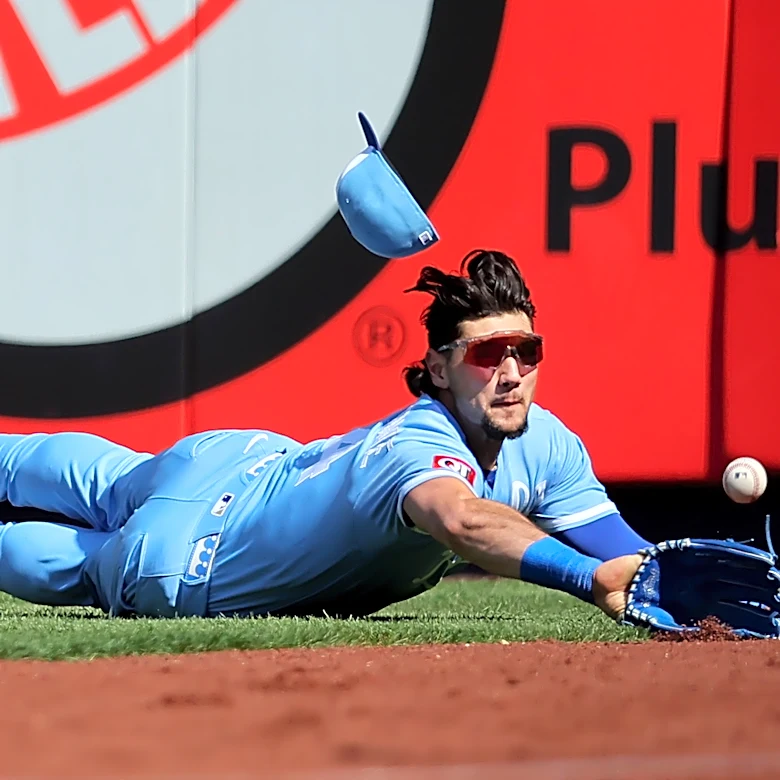
Jarren Duran, an outfielder for the Boston Red Sox, has recently faced abusive comments from fans regarding his mental health struggles. Duran had previously opened up about his mental health issues, including a past suicide attempt, in a Netflix docuseries.
This disclosure, while initially praised as an act of bravery, has led to negative experiences for Duran. In a recent incident, a fan in Minnesota allegedly told Duran to kill himself, prompting him to react by making an obscene gesture towards the stands. This follows a similar incident last year in Cleveland, where a fan heckled him about his mental health. Major League Baseball and the Minnesota Twins are investigating the latest incident. Duran has expressed regret over discussing his mental health publicly, feeling it has attracted negative attention.
Why It's Important?
The situation underscores the ongoing challenges athletes face when they publicly disclose personal struggles, particularly mental health issues. While such disclosures can help reduce stigma and encourage others to seek help, they also expose athletes to potential abuse from fans. This highlights a broader societal issue where vulnerability is sometimes met with hostility rather than empathy. The incident also raises questions about the responsibilities of sports organizations to protect players from such abuse and the effectiveness of current measures. For Duran, the abuse has personal and professional implications, affecting his mental well-being and potentially his performance on the field.
What's Next?
As investigations by MLB and the Minnesota Twins continue, there may be further actions taken to address fan behavior at games. This could include stricter enforcement of conduct policies and increased security measures to protect players. The outcome of these investigations could also influence how other sports leagues handle similar situations, potentially leading to broader changes in how athlete mental health is addressed and protected. Additionally, Duran's experience may prompt other athletes to reconsider the risks of sharing personal struggles publicly, impacting future discussions around mental health in sports.
Beyond the Headlines
This incident highlights the complex relationship between athletes and fans, where the commodification of athletes can lead to dehumanizing behavior. It also raises ethical questions about the responsibility of fans to respect the personal boundaries of athletes and the role of sports organizations in fostering a supportive environment. The situation reflects a cultural shift towards greater openness about mental health, but also the challenges that remain in ensuring that such openness is met with understanding rather than exploitation.