






What's Happening?
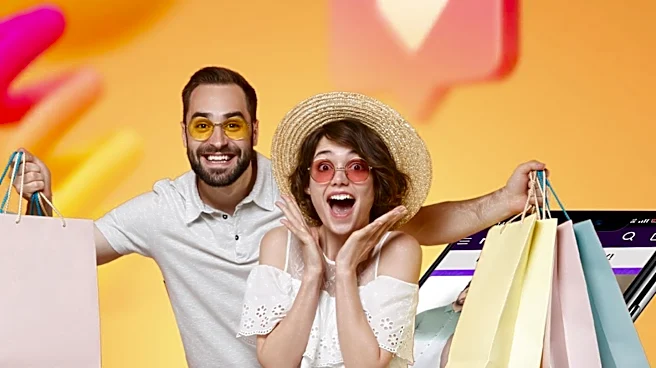
Haul videos, a popular content format on social media platforms like TikTok, are contributing to the fashion industry's increasing returns problem. These videos often feature creators unboxing and trying on clothing items, sometimes encouraging viewers
to comment on what should be kept or returned. This trend has led to a rise in return rates, with the National Retail Federation reporting that 15.8% of purchases were expected to be returned in 2025. The phenomenon of 'staging,' where items are purchased for content creation and then returned, exacerbates the issue. Creators like Zoe Stewart and Michelle Li have adapted their content to include try-on hauls, which engage audiences by allowing them to participate in the decision-making process.
Why It's Important?
The rise of haul videos highlights the challenges faced by the fashion industry in managing returns, which can significantly impact profitability and sustainability. High return rates increase operational costs and contribute to environmental waste, as returned items often require additional processing and may not be resold. The trend also raises ethical concerns about consumer behavior and the influence of social media on purchasing decisions. As more consumers rely on peer reviews and social media content for shopping guidance, the fashion industry must address the implications of these trends on their business models and sustainability efforts.
Beyond the Headlines
The ethical implications of haul videos extend beyond the immediate financial impact on retailers. The practice of purchasing items solely for content creation and subsequent return raises questions about consumer responsibility and the role of influencers in promoting sustainable consumption. As the fashion industry grapples with these challenges, there may be increased pressure on brands to implement stricter return policies and develop more sustainable practices. Additionally, the influence of social media on consumer behavior underscores the need for greater transparency and accountability in influencer marketing.