







What's Happening?
Dr. Tamiko Katsumoto, a clinical associate professor at Stanford University, emphasizes the importance of maintaining a healthy gut microbiome to protect against chronic inflammation. According to Katsumoto, inflammation is the body's response to danger
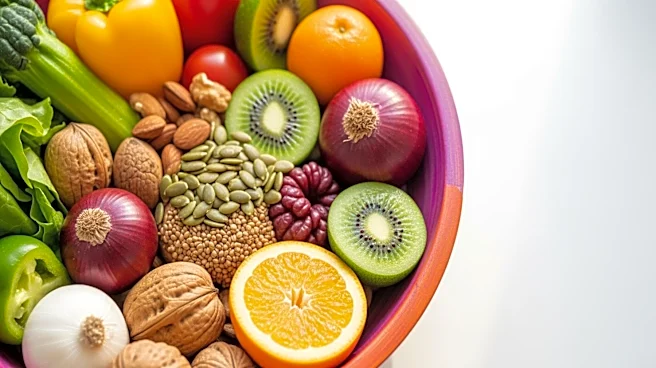
signals, which can be beneficial in acute cases like infections or wounds. However, chronic inflammation, often caused by lifestyle factors, can lead to diseases such as Alzheimer's, heart disease, and autoimmune conditions. Katsumoto advises focusing on a diet rich in fiber from plants to support gut health, as fiber fermentation produces short-chain fatty acids that help regulate the immune system. She also warns against ultra-processed foods, advocating for moderation and a diverse plant-based diet.
Why It's Important?
Chronic inflammation is linked to a significant portion of diseases prevalent in the Western world, affecting public health and healthcare systems. By highlighting the role of gut health, Katsumoto provides a proactive approach to disease prevention, potentially reducing the incidence of inflammation-related conditions. This focus on lifestyle changes, particularly dietary adjustments, empowers individuals to take control of their health, potentially decreasing healthcare costs and improving quality of life. The emphasis on plant-based diets aligns with broader public health recommendations and could influence dietary guidelines and public health policies.
What's Next?
As awareness of the link between gut health and inflammation grows, there may be increased interest in research and public health initiatives promoting dietary changes. Healthcare providers might incorporate gut health assessments into routine check-ups, and nutrition education could become a more prominent part of medical training. Additionally, food industries might respond by developing products that support gut health, such as high-fiber foods and probiotics. Public health campaigns could focus on educating the public about the benefits of a plant-rich diet and the risks of ultra-processed foods.
Beyond the Headlines
The discussion around gut health and inflammation also touches on broader issues such as food accessibility and socioeconomic disparities. Access to fresh, plant-based foods is not uniform across all communities, which could exacerbate health inequalities. Addressing these disparities will be crucial in ensuring that all populations can benefit from the health insights provided by experts like Katsumoto. Furthermore, the cultural shift towards plant-based diets may face resistance due to traditional dietary preferences, requiring sensitive and inclusive public health strategies.