
What's Happening?
A recent study highlights the potential cognitive benefits of dancing, suggesting that it may significantly reduce the risk of dementia. Conducted by researchers at the Albert Einstein College of Medicine,
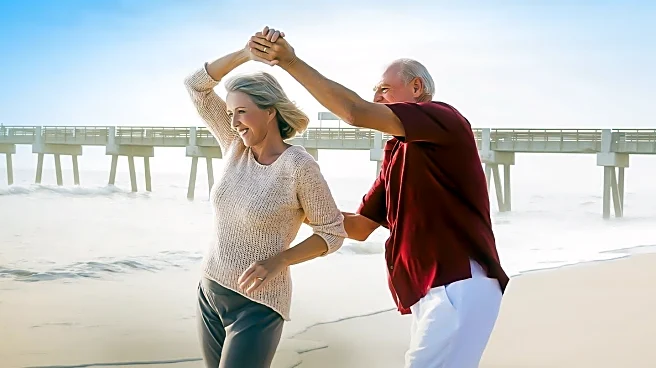
the study tracked nearly 500 individuals aged 75 to 85 over several decades. Participants who engaged in dancing more than once a week exhibited a 76 percent lower risk of developing dementia compared to those who danced less frequently. The research, published in the New England Journal of Medicine, indicates that dancing combines physical activity with cognitive challenges, such as rhythm matching and step memorization, which may contribute to its protective effects on brain health.
Why It's Important?
The findings underscore the importance of incorporating physical activities that also engage the brain into daily routines, especially for older adults. As the U.S. population ages, dementia and related cognitive disorders pose significant public health challenges. Activities like dancing, which combine exercise with social interaction and mental stimulation, could offer a cost-effective and enjoyable way to enhance cognitive resilience. This could potentially reduce healthcare costs associated with dementia care and improve quality of life for older adults. The study also suggests that other forms of cognitive engagement, such as playing musical instruments or solving puzzles, can similarly benefit brain health.
What's Next?
Further research is needed to explore the specific mechanisms by which dancing and similar activities protect against cognitive decline. Additionally, public health initiatives could focus on promoting dance and other cognitively engaging physical activities as part of community programs for older adults. Healthcare providers might also consider recommending dance as a therapeutic activity for patients with early signs of cognitive decline or movement disorders. As the benefits of such activities become more widely recognized, there may be increased demand for accessible dance programs tailored to the needs of older adults.
Beyond the Headlines
The study's implications extend beyond individual health, touching on broader societal and cultural dimensions. Encouraging dance and similar activities could foster community engagement and social cohesion, particularly among older populations. Moreover, the integration of music and movement in therapeutic settings highlights the potential for creative arts to play a role in healthcare. This approach aligns with a growing recognition of the holistic benefits of combining physical, mental, and social health strategies to enhance overall well-being.