


What's Happening?
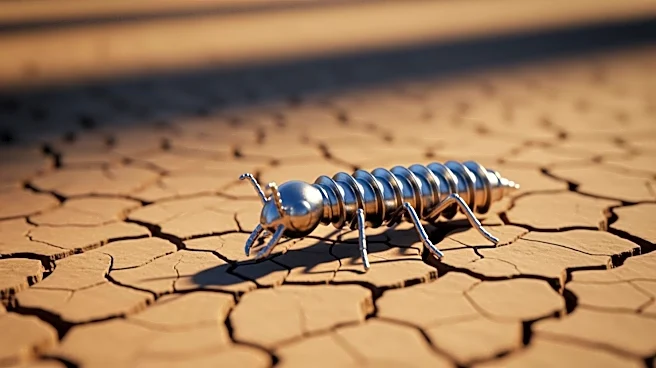
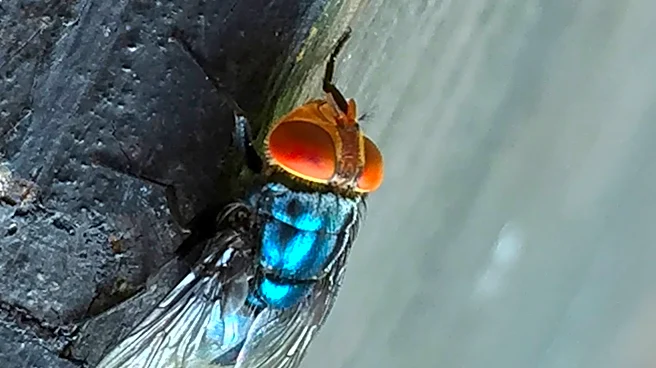
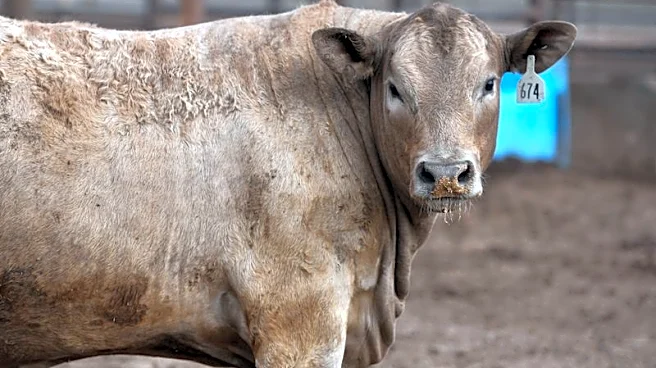
The screwworm, a flesh-eating parasite, has re-emerged in Texas cattle after decades, with at least three confirmed cases. The U.S. Department of Agriculture (USDA) has confirmed these cases amidst an already strained beef industry, which is dealing with the smallest
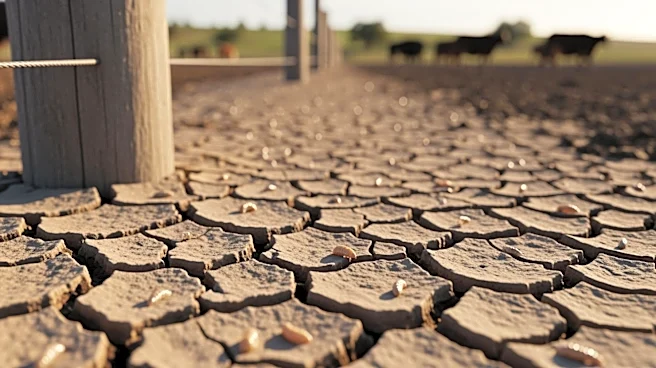
cattle herd in 75 years due to prolonged droughts. Retail beef prices have reached a record $9.64 per pound, a 13% increase from the previous year. Experts suggest that while the screwworm cases may not cause immediate price spikes, they could prolong the period of elevated beef prices. The parasite, which does not spread from animal to animal, lays eggs in fresh wounds, leading to potential bacterial infections or death in livestock.
Why It's Important?
The reappearance of the screwworm in Texas poses a significant threat to the beef industry, which is already under pressure from reduced cattle herds and high prices. If the outbreak worsens, it could lead to increased costs for ranchers, including higher labor and medicine expenses, which may eventually be passed on to consumers. The potential for a full-blown outbreak could cost the Southwest up to $3 billion, affecting both the supply chain and consumer prices. The situation highlights the vulnerability of the beef industry to biological threats and the importance of effective pest control measures.
What's Next?
Efforts are underway to contain the screwworm outbreak. The USDA is working on mass-producing sterile screwworm flies to control the population, with production expected to start in November 2027. Additionally, the USDA is seeking approval to release a genetically modified sterile fly to enhance control efforts. These measures aim to prevent the spread of the parasite and mitigate its impact on the beef industry. The success of these initiatives will be crucial in stabilizing beef prices and ensuring the industry's recovery.