


What's Happening?
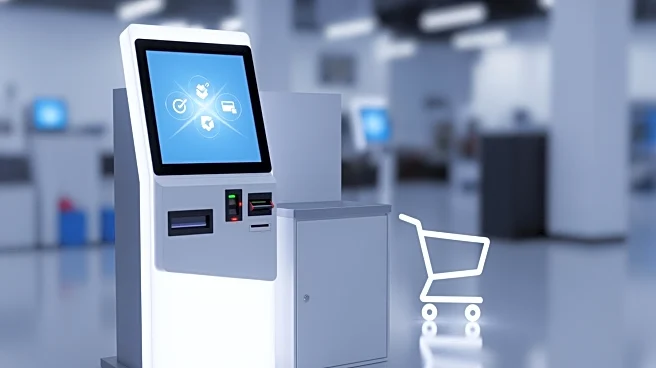
Walmart and Target are revising their self-checkout policies, impacting how customers interact with these services. Walmart is not eliminating self-checkout but is allowing store managers to experiment with its use, potentially reserving it for Walmart+ members and delivery service drivers. This move comes as some locations limit self-checkout access, possibly due to concerns over theft and incorrect product input. Meanwhile, Target is implementing a new policy across nearly all its stores, restricting self-checkout to customers with 10 items or less. This decision follows a successful pilot program that showed faster checkout times and improved customer satisfaction. The changes reflect a shift in consumer behavior post-pandemic, where contactless
options were previously preferred.
Why It's Important?
These changes in self-checkout policies at major retailers like Walmart and Target highlight a significant shift in retail operations and customer service strategies. By restricting self-checkout access, these companies aim to address issues such as theft and operational efficiency. For Walmart, the focus on Walmart+ members could drive subscriptions, enhancing customer loyalty and revenue. Target's approach to limit self-checkout to smaller purchases may streamline operations and improve customer experience, potentially increasing store efficiency and customer satisfaction. These strategies reflect broader trends in retail where companies are adapting to changing consumer preferences and operational challenges.
What's Next?
As these policies are implemented, customer reactions and operational outcomes will likely influence further adjustments. Retailers may continue to refine their strategies based on feedback and performance metrics. The focus on membership programs like Walmart+ suggests a potential trend towards incentivizing customer loyalty through exclusive benefits. Additionally, the impact on store operations, theft rates, and customer satisfaction will be closely monitored, potentially leading to further innovations in retail technology and service models.