


What's Happening?
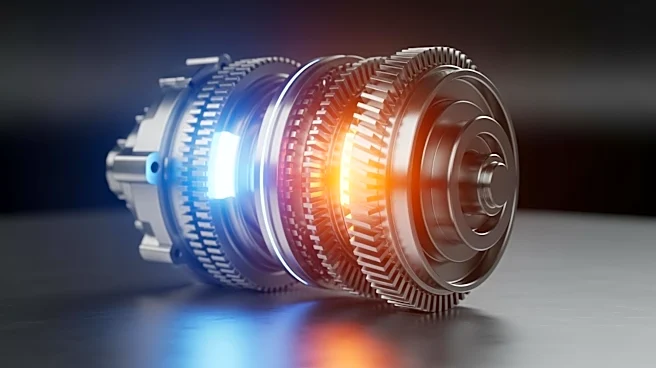
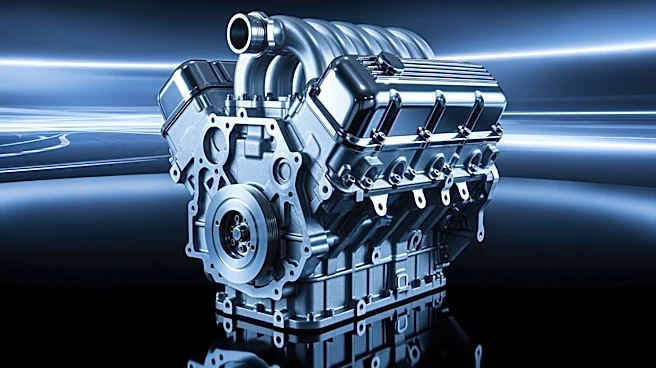
Formula 1 has agreed to modify its engine regulations for the 2027 season, moving away from the current 50/50 power split between internal combustion engines (ICE) and electrical components. The decision, reached in collaboration with F1 teams and engine manufacturers,
aims to address driver concerns about the current engine setup, which requires significant energy management and has been criticized for detracting from the racing experience. The new regulations will favor a 60/40 split in favor of the ICE, reducing the emphasis on battery power. This change is intended to allow drivers to race more naturally without the need for excessive lifting and coasting to recharge batteries. The proposal will undergo further technical discussions before being finalized and ratified by the World Motorsport Council.
Why It's Important?
The adjustment in engine regulations is crucial for maintaining the competitive integrity and appeal of Formula 1. By addressing driver concerns, the sport aims to enhance the racing spectacle and ensure that it remains engaging for both participants and fans. The move also reflects a broader industry trend towards integrating hybrid technology while preserving the traditional elements of motorsport. This balance is essential for keeping Formula 1 relevant in a rapidly evolving automotive landscape, where sustainability and performance must coexist. The changes could also influence future technological developments in the automotive industry, as F1 often serves as a testing ground for cutting-edge innovations.
What's Next?
The proposed changes will be subject to further technical evaluation and discussion among F1 teams and power unit manufacturers. The final engine specifications will need to be approved by the World Motorsport Council. Manufacturers will need to consider the implications of the new regulations on engine design and performance, potentially leading to significant adjustments in their development strategies. The outcome of these discussions will shape the future of Formula 1, with the aim of implementing a solution that balances competitive racing with technological advancement.