


What's Happening?
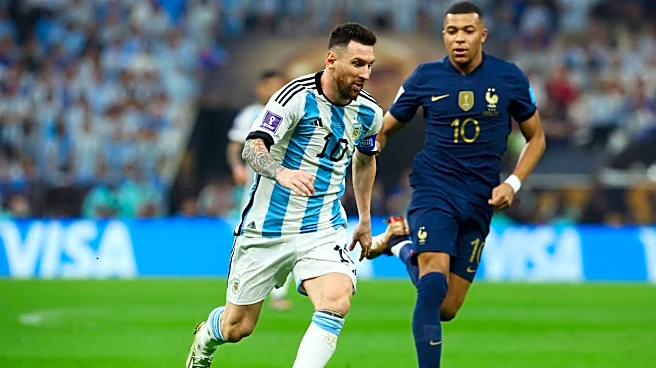
The FIFA World Cup 2026 is set to be the largest in history, with 48 teams and 104 matches, hosted across 16 cities in North America, including 11 in the U.S. This event presents a significant opportunity for brands to engage with a global audience through
creator marketing. Brands are increasingly using influencer-driven media to promote products, shifting from traditional event-exclusive advertising to digital storytelling. This approach allows brands to engage with a diverse audience and participate in international conversations, enhancing cultural relevance. The strategy involves pre-tournament content, real-time match reactions, and post-match analysis, leveraging creators across regions and languages to maximize reach.
Why It's Important?
The World Cup's global reach makes it a prime opportunity for brands to enhance their visibility and cultural relevance. By engaging with influencers, brands can tap into diverse audiences and create more personalized and impactful marketing campaigns. This shift towards digital-first strategies reflects broader changes in marketing, where real-time engagement and cultural relevance are increasingly valued. Brands that successfully navigate this landscape can significantly boost their market presence and consumer engagement, potentially leading to increased sales and brand loyalty.
What's Next?
As the World Cup approaches, brands will continue to refine their marketing strategies, focusing on selecting the right creators to partner with. This involves balancing sports specialists with lifestyle influencers to appeal to both niche and broad audiences. Brands will also need to navigate legal considerations, such as content rights and brand safety, to ensure successful campaigns. The use of creator management platforms will be crucial in coordinating these efforts and measuring the impact of campaigns through metrics like engagement spikes and audience growth.