




What's Happening?
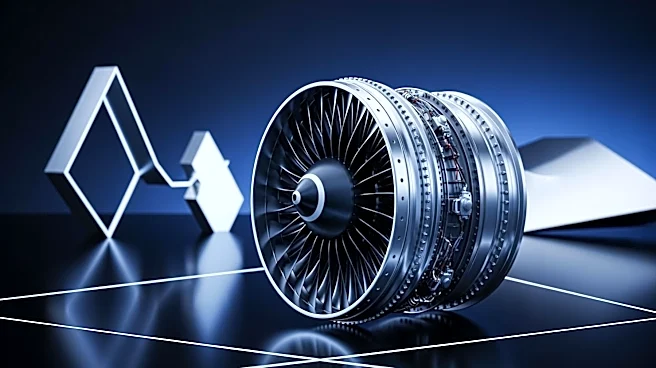
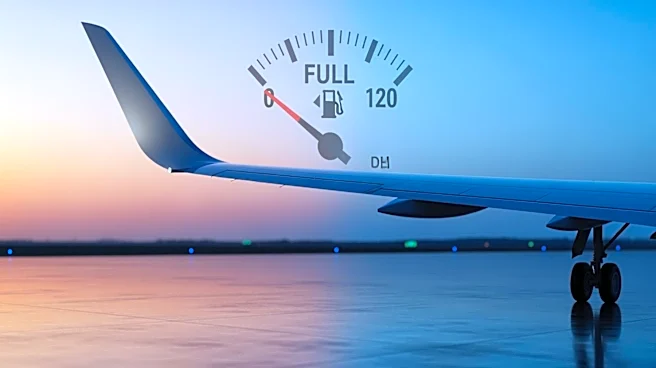
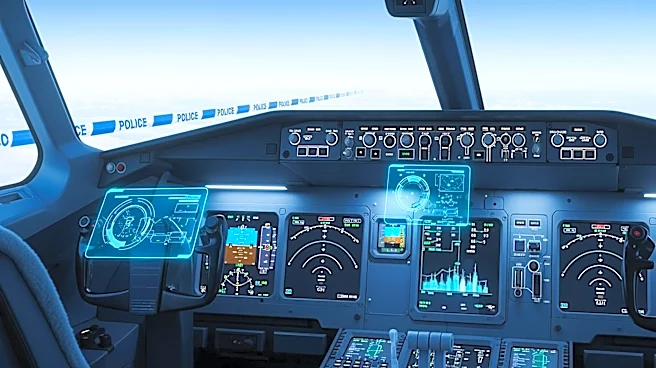
Merlin, a U.S. start-up, has introduced 'Merlin Pilot for Commercial Cargo,' an autonomous flight technology designed for large commercial aircraft, including cargo types. This system, which incorporates artificial intelligence, aims to handle all phases
of flight, potentially improving aviation safety by reducing human-related accidents. The technology allows for augmented operations, enabling a single pilot to manage aircraft typically requiring two pilots. Merlin's system is compatible with various aircraft types, including Airbus and Boeing jets, and is designed to operate from take-off to touchdown, managing systems, monitoring the environment, and handling communications. The company has tested the system in hundreds of flights using different aircraft, including a Cessna Grand Caravan, and is developing it for military applications, such as the Lockheed Martin C-130J.
Why It's Important?
The introduction of autonomous flight technology by Merlin represents a significant advancement in aviation safety and operational efficiency. By reducing the reliance on human pilots, the technology could lower the risk of accidents caused by human error, potentially saving lives and reducing costs associated with pilot training and staffing. This innovation may also lead to increased cargo capacity and operational flexibility, benefiting airlines and logistics companies. Furthermore, the technology's compatibility with both commercial and military aircraft suggests broad applicability, potentially transforming various sectors of the aviation industry. As the demand for air travel and cargo transport grows, such advancements could play a crucial role in meeting these needs sustainably and safely.
What's Next?
Merlin's autonomous flight technology is likely to undergo further testing and refinement as the company seeks to expand its applications across different aircraft types. Regulatory approval will be a critical next step, as aviation authorities assess the safety and reliability of the system. The technology's integration into commercial and military operations could prompt other companies to develop similar systems, potentially leading to widespread adoption of autonomous flight technology. Stakeholders, including airlines, cargo operators, and military organizations, will need to evaluate the implications of this technology on their operations and workforce, potentially leading to shifts in industry standards and practices.